The Visual Memory of UAE

Portfolio

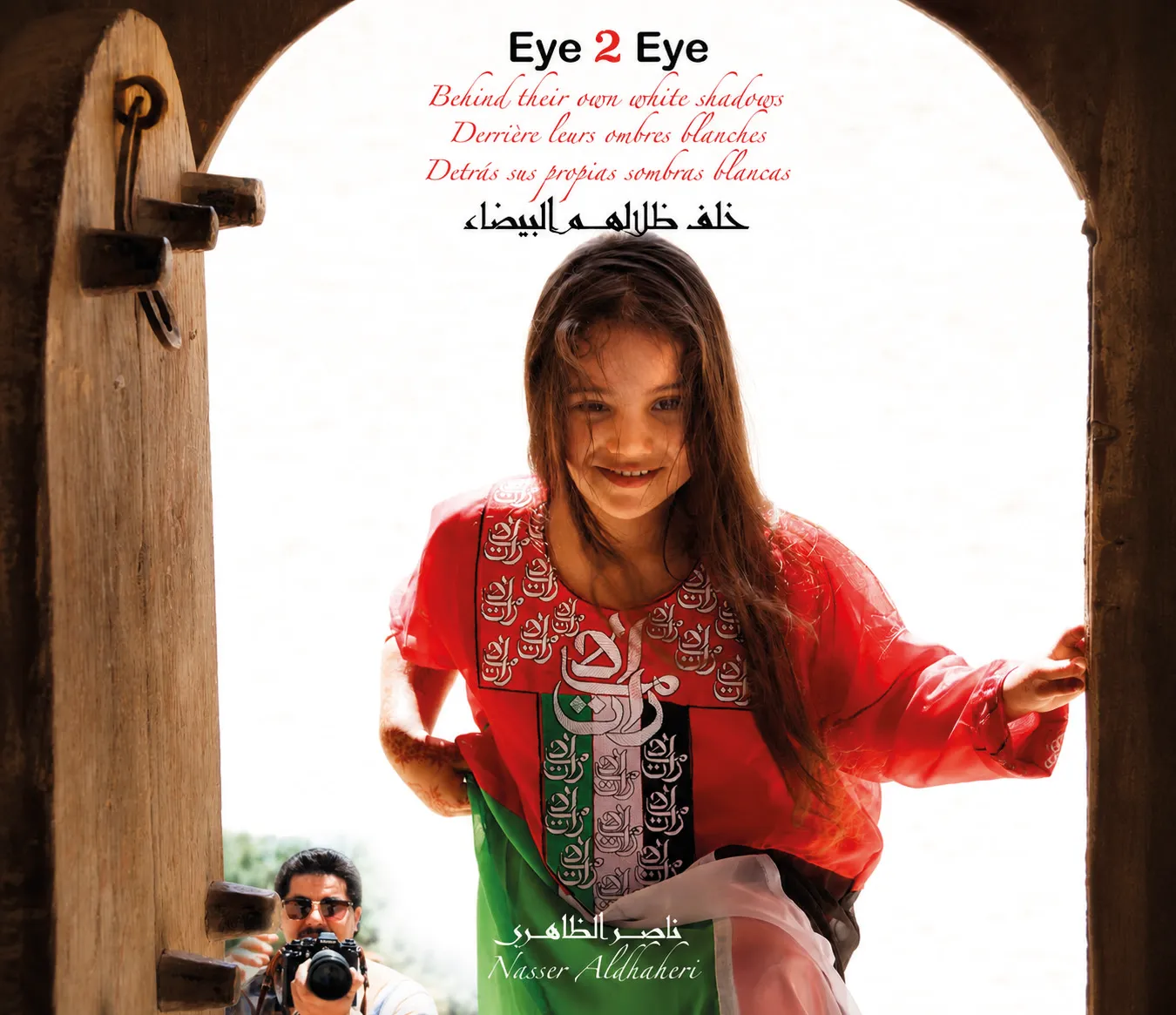
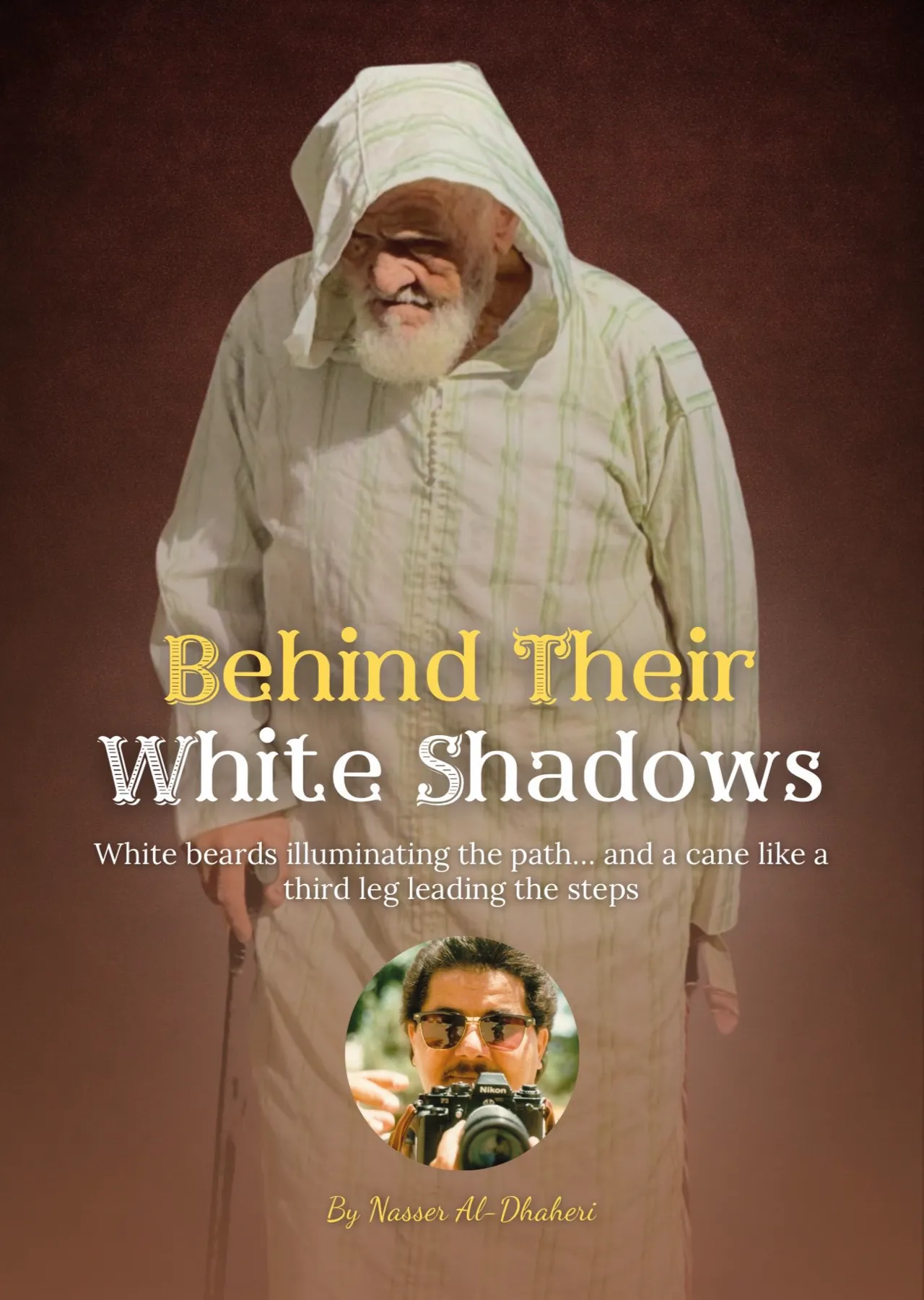
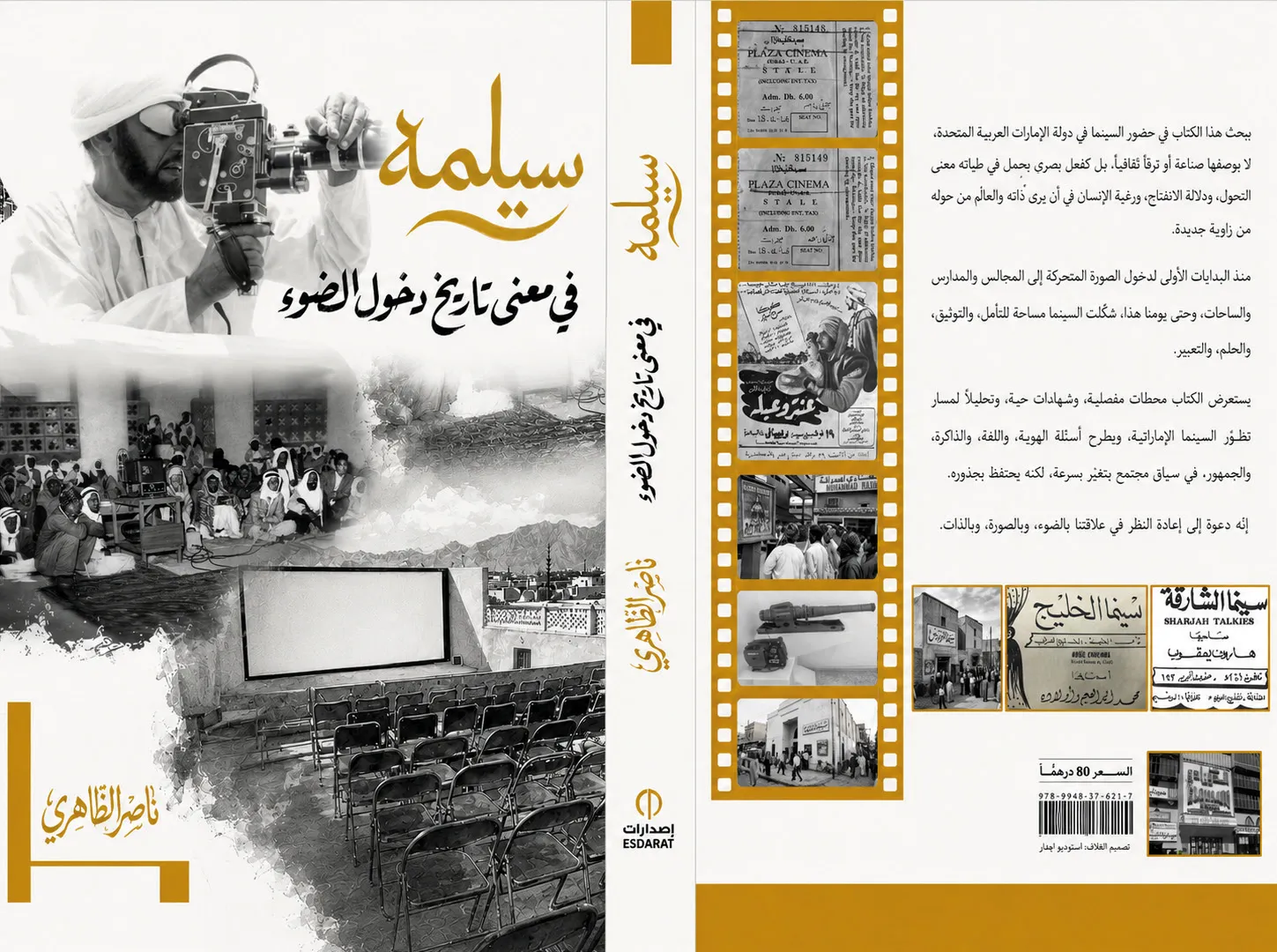
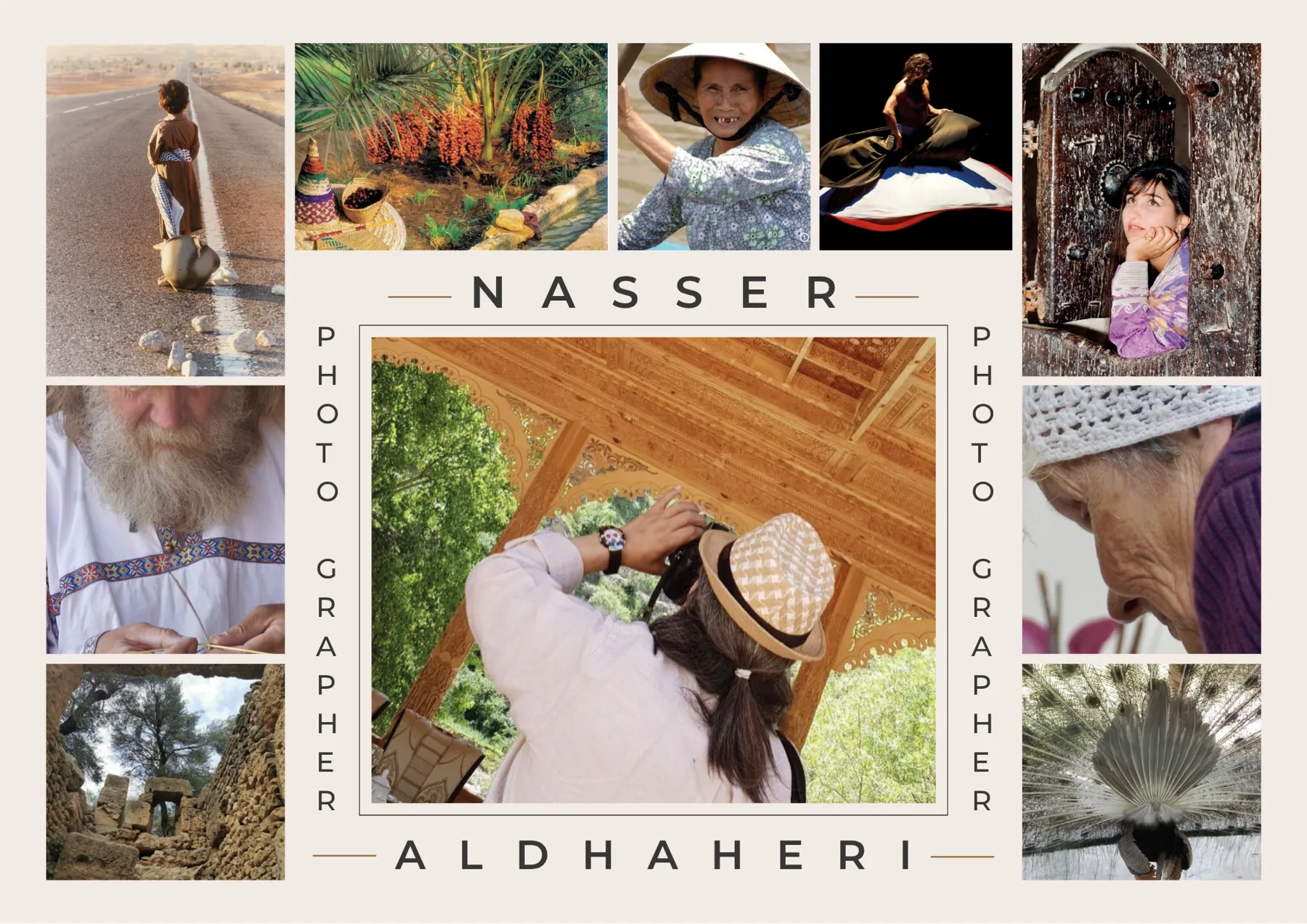
Comprehensive creative archive spanning 30 documentary films arranged in publication sequence, 6 illustrated books and encyclopedias, photography exhibitions, and Al-Hudhud International publication.

A Tale of Water, Palm Trees and Family
#01
Feature Documentary

A Tale of Water, Palm Trees and Family

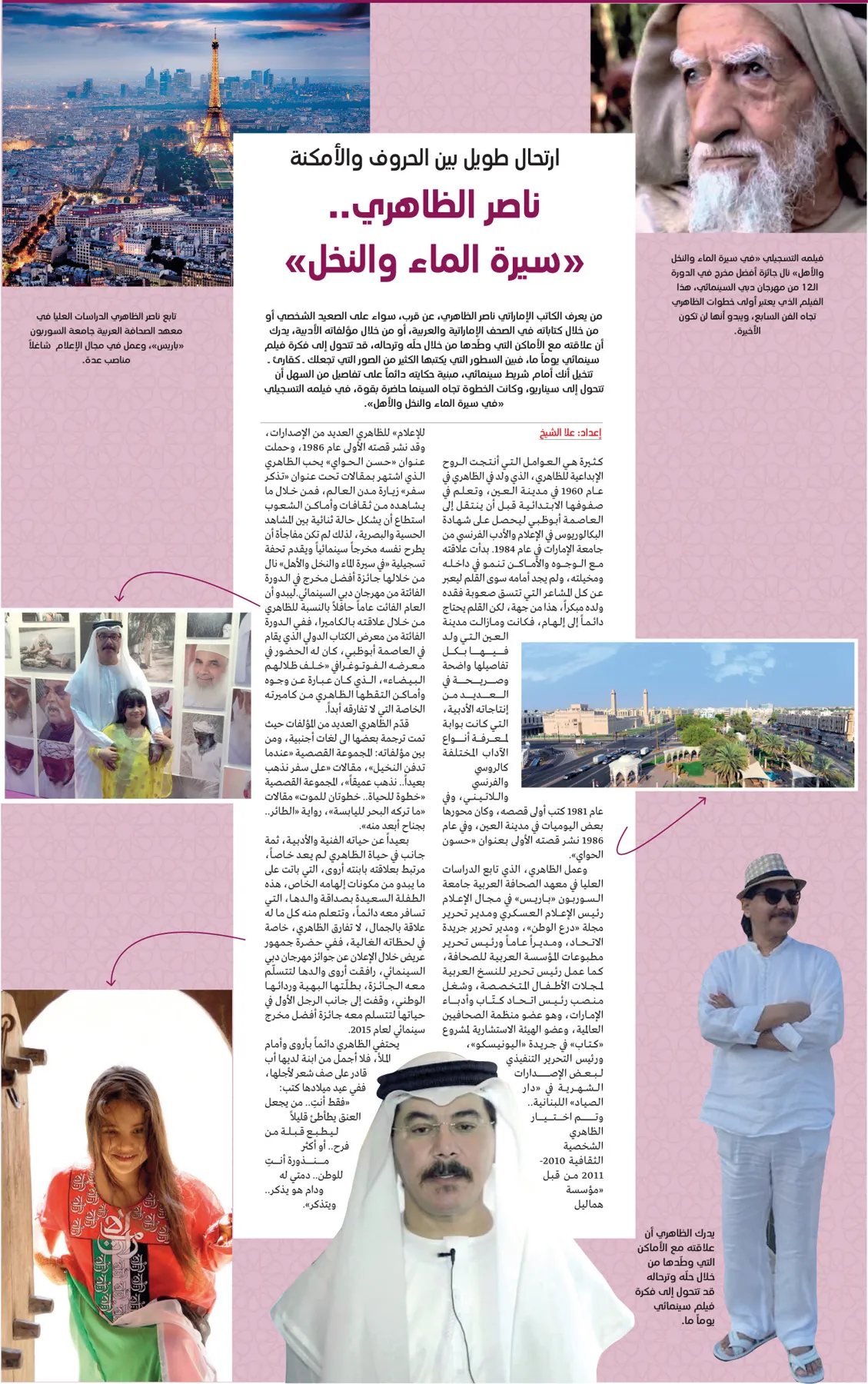
في سيرة الماء.. والنخل والأهل

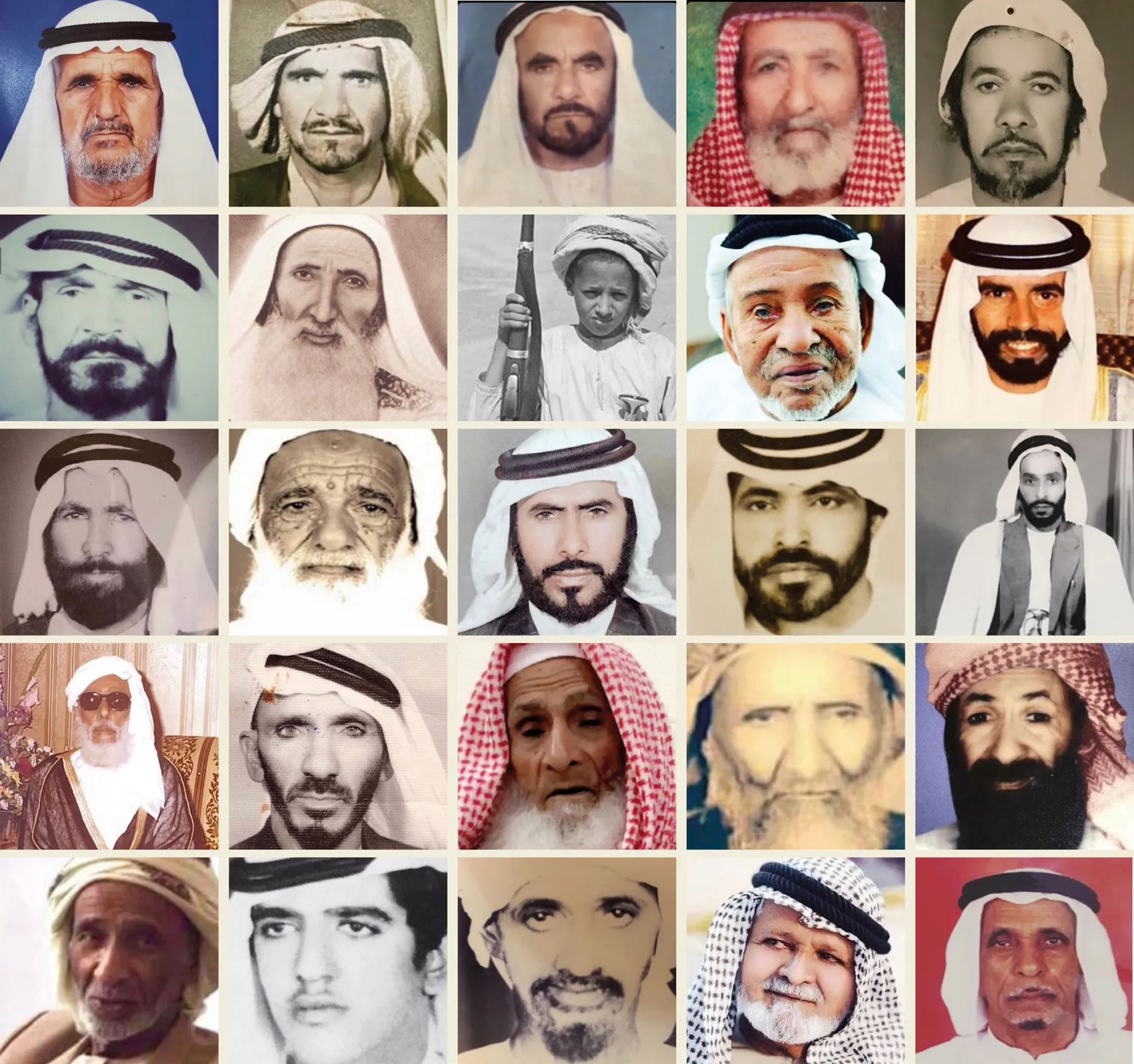
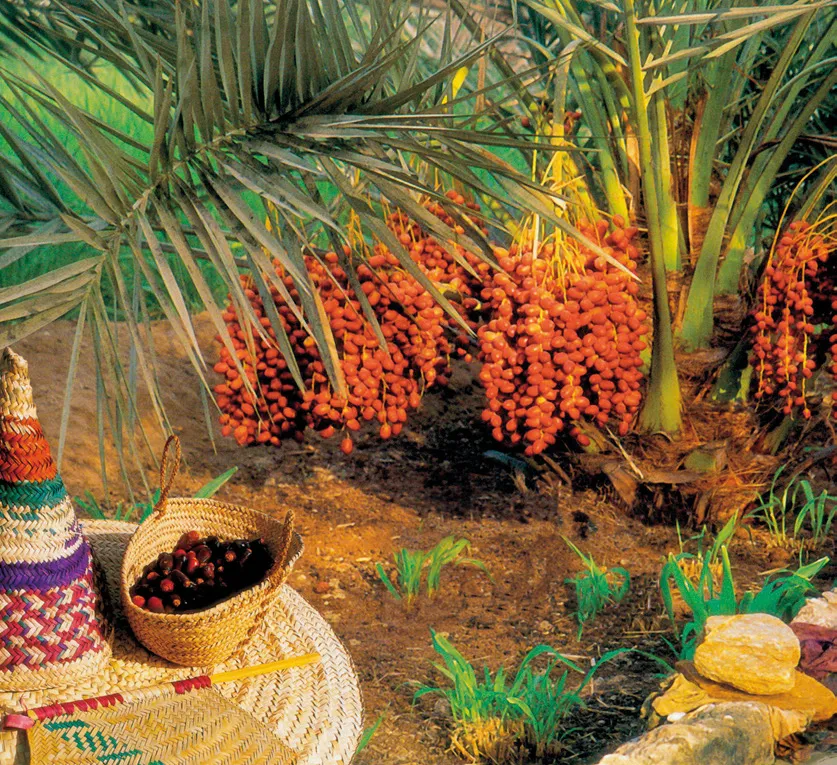
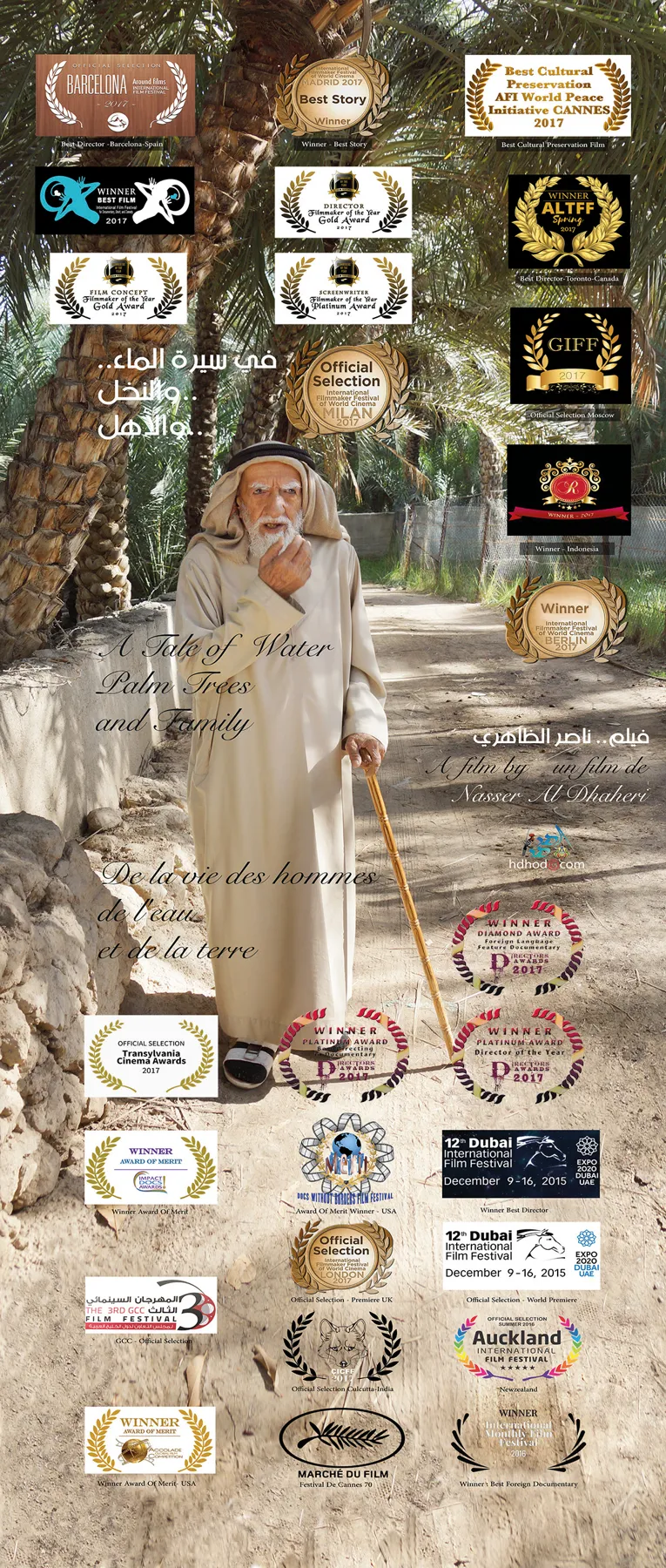
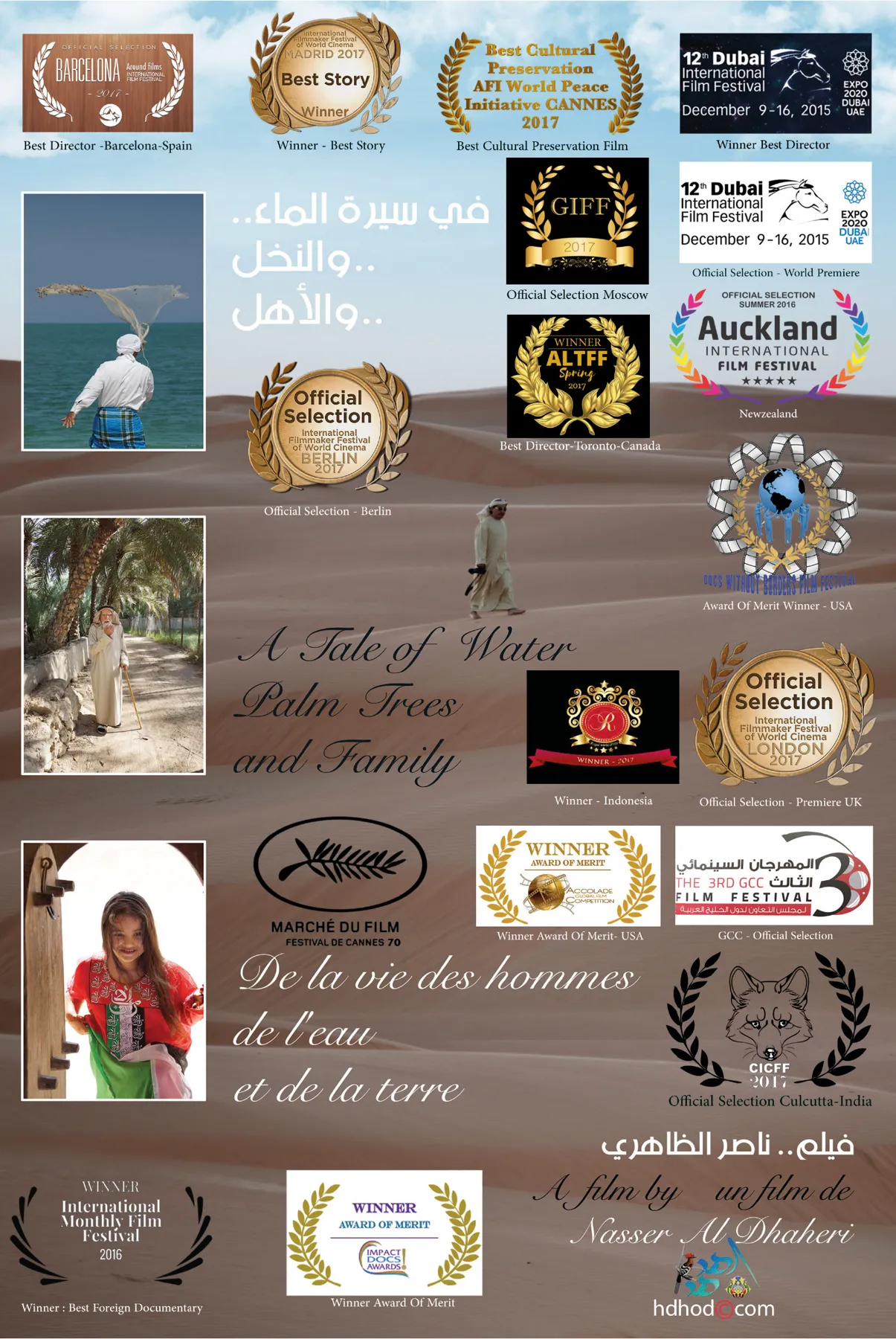
The long documentary 'A tale of water, palm trees and family' is a deep-rooted journey in the UAE's land, people and culture, through the trilogy of water, palm trees and people; the main components of UAE's civilization. A tribute in memory of those who worked hard in the past, and a reminder to future generations that today's prosperity was made by the sweat and blood of the ancestors who carved rock for water, and cultivated palm trees for life.

First Emirati feature-length film; 4 languages (Ar/En/Fr/Es); 21 international awards
Production Stills
A Tale of Water, Palm Trees and Family
The Millstone
#02
Feature Documentary

The Millstone

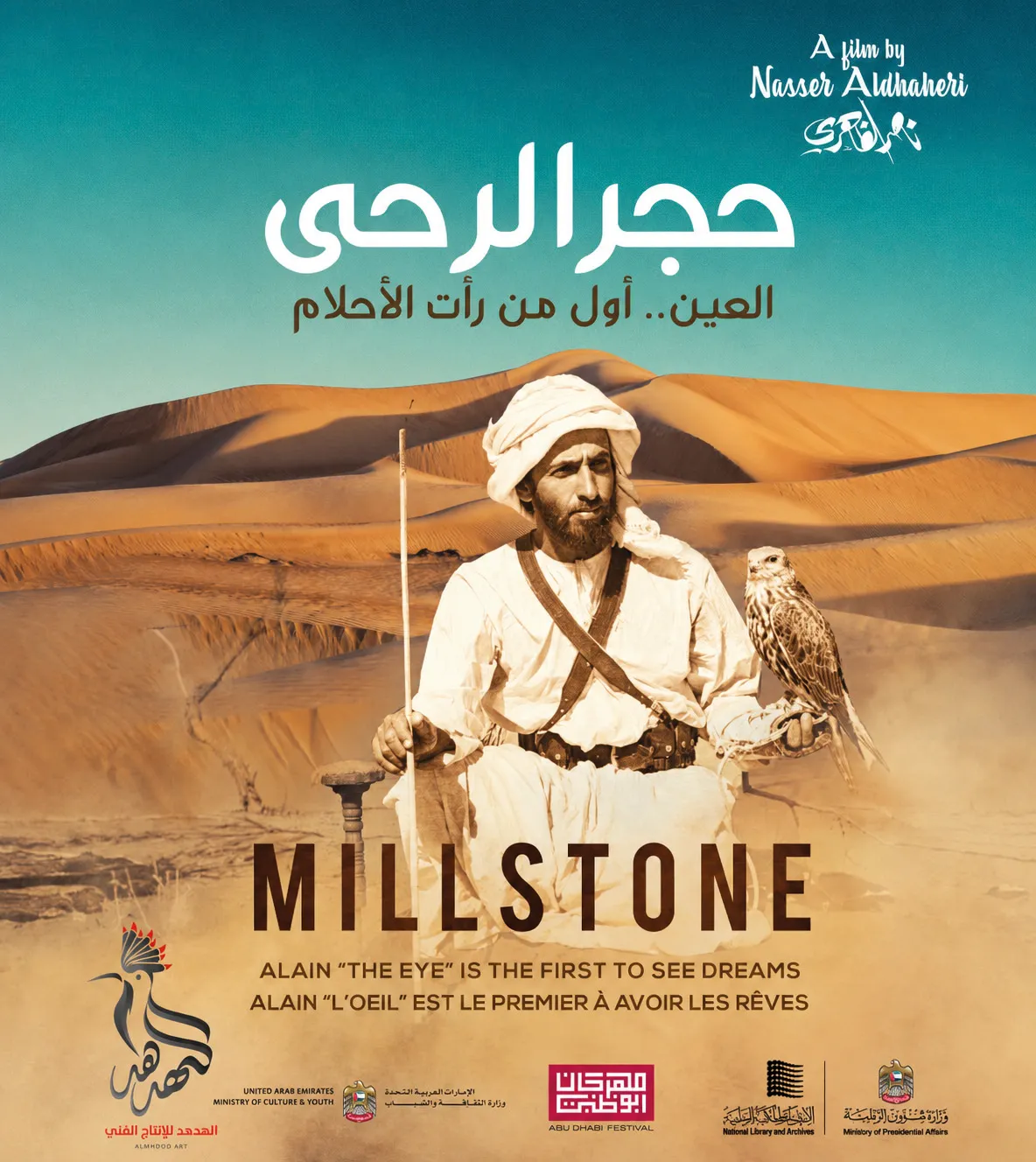
حجر الرحى: العين.. أول من رأت الأحلام

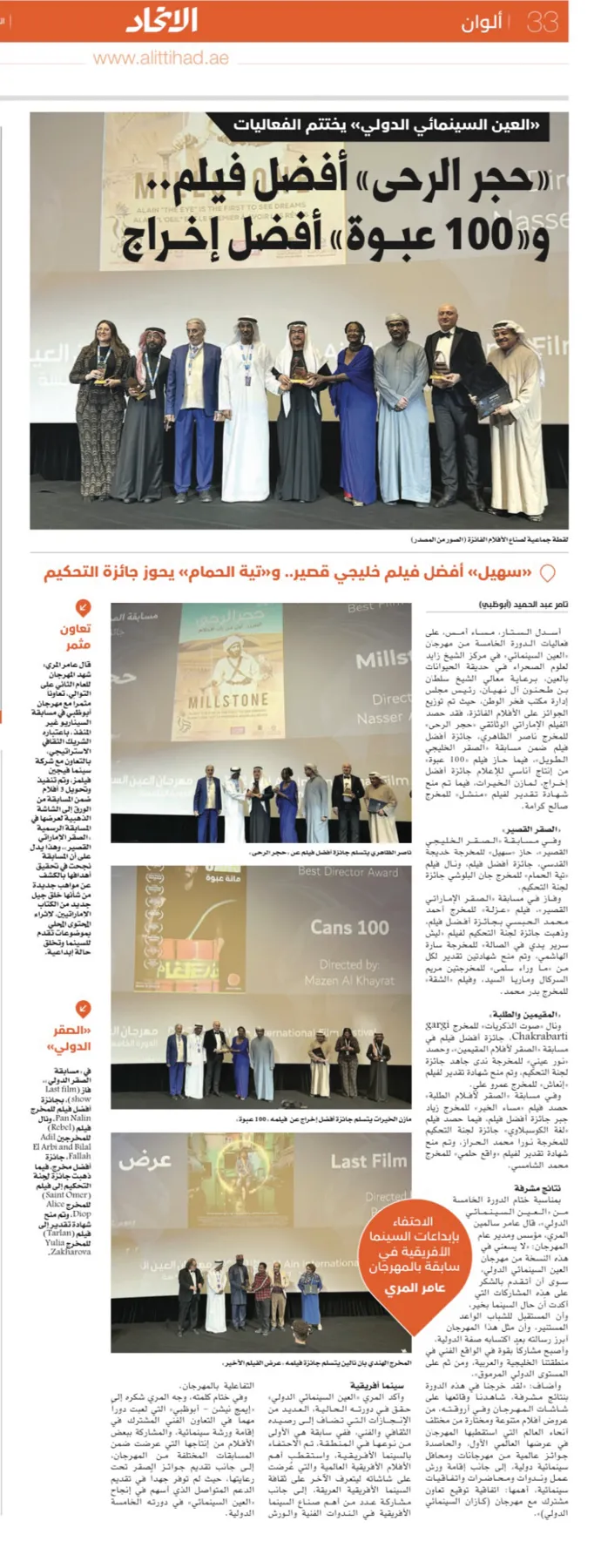
The movie “The Millstone” and its slogan: “Al-Ain ‘The Eye’... is the first to see dreams” is a movie about the late His Highness Sheikh Zayed bin Sultan Al Nahyan, the work lasted two years, and it tells aspects of his life since he took over the affairs of the city of Al-Ain as a deputy and then representative of the ruler of Abu Dhabi in 1946, when he was twenty-eight years old, and how he devoloped it in all economic, agricultural, educational and health fields, where Al-Ain during this period was the Millestone of Zayed’s great and distant dream of establishing a strong emirate, rebirth and developed, where he took the power of Abu Dhabi in 1966, and speeded up the stages in order to build a modern emirate, integrated and developed city, and made a bigger dream again, and the millstone included his great dream of establishing a strong, independent and prestigious state in the future, and that was in 1971, and he continued to work for his homeland, his people, the Arabs, Muslims and all humanity until his death in 2004, His name in history in letters of light.

Tolerance
#03
Short Film 15 minutes

Tolerance

تسامح

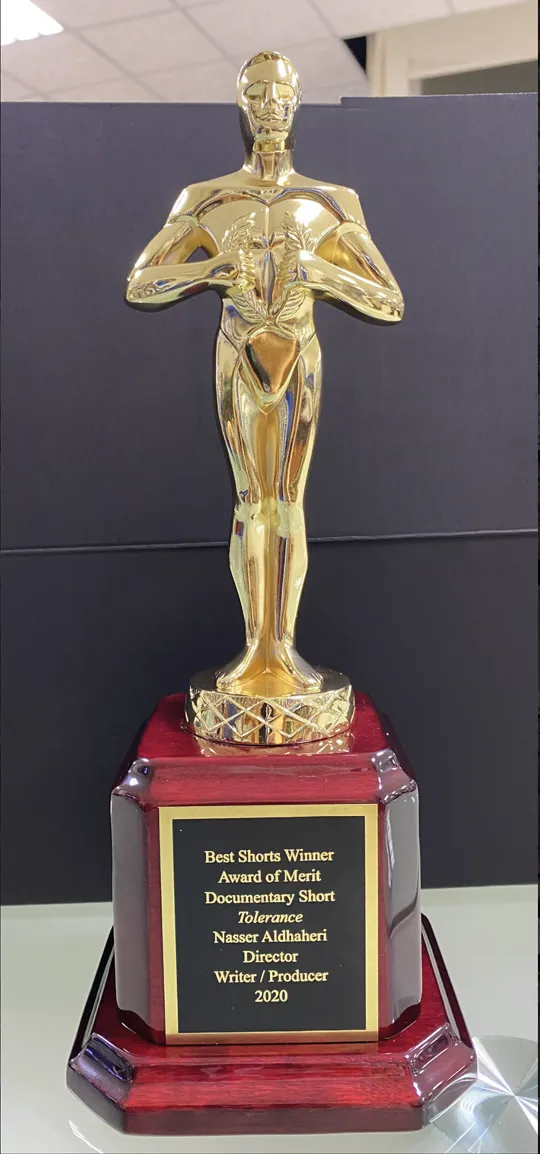
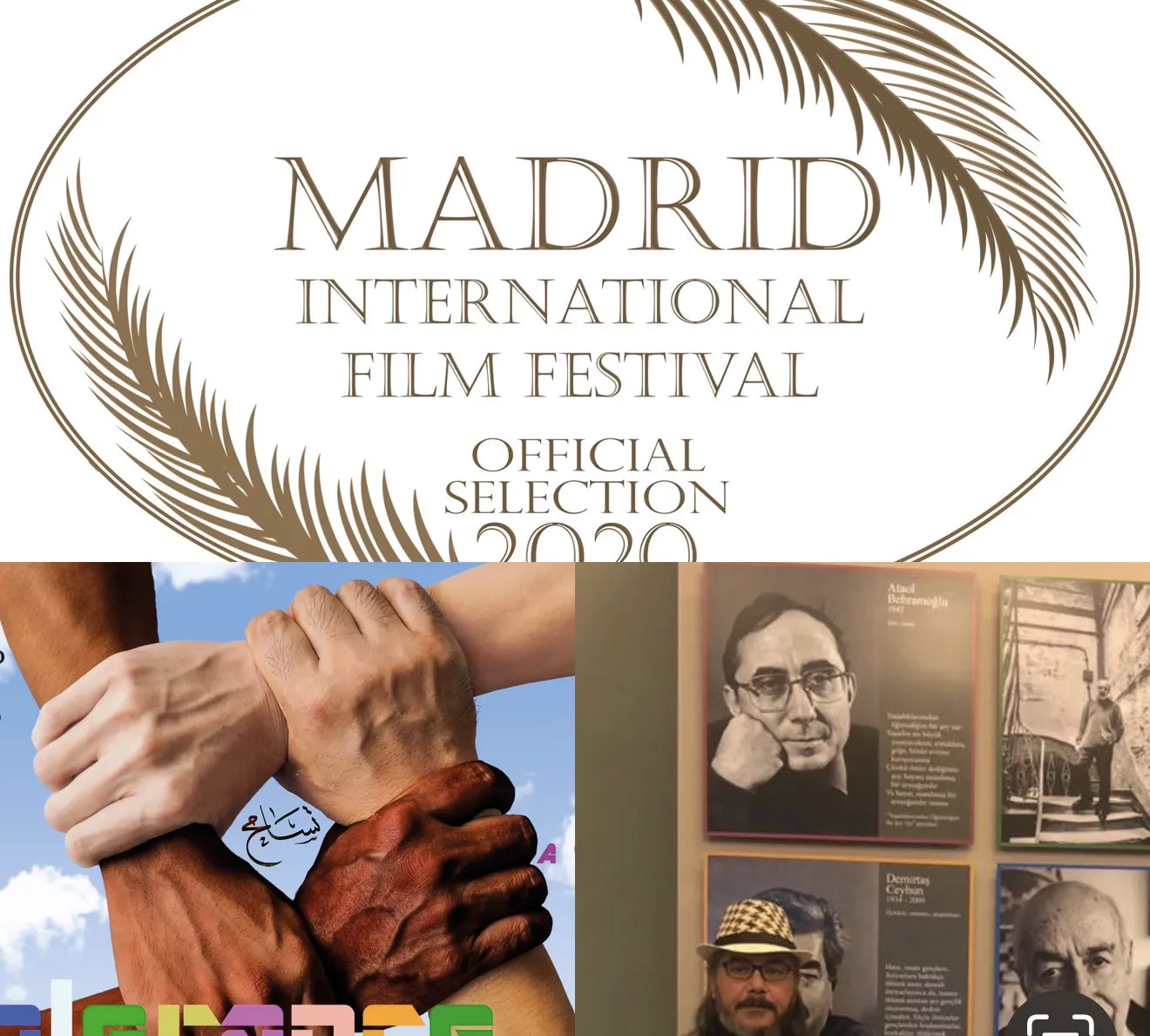
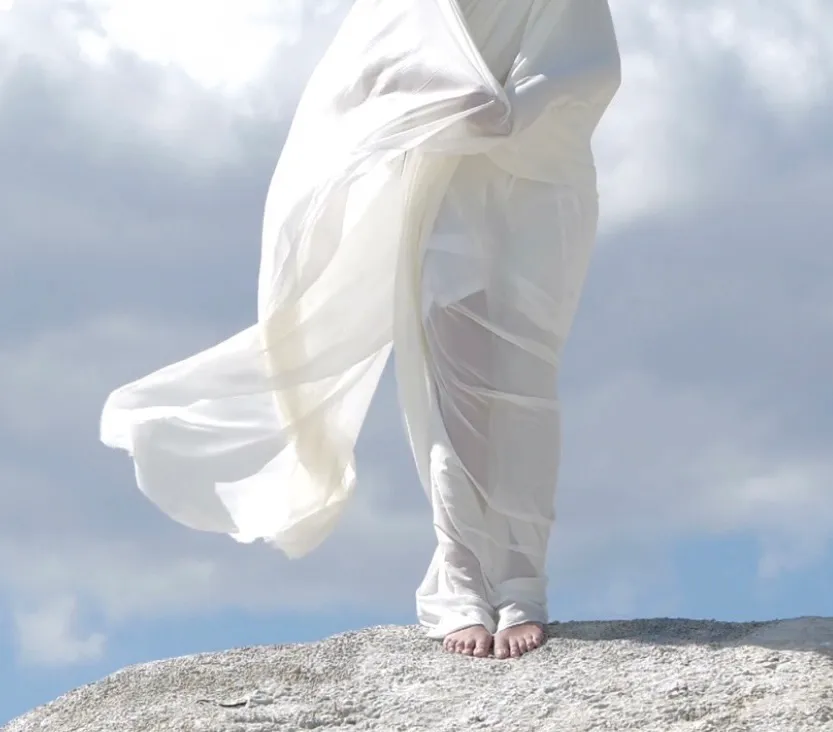
In the United Arab Emirates, it has become a tradition to declare an annual theme of high human value or a noble human symbol at the end of each year, which aims to foster goodness for humanity. Before the end of 2018, the year 2019 was announced as the Year of Tolerance. This inspired me to embark on a personal creative project, contributing my support to this initiative and extending its reach beyond the UAE. I have always been captivated by the idea of tolerance in societies, as it is the only thing capable of allowing the world to live in security, peace, love, freedom, equality, and brotherly coexistence. Each letter in the word “Tolerance” represents one of its values, resulting in a short film that, though only 15 minutes long, is rich with poetic language and warm human emotion. The meanings of tolerance are illustrated through various stories in the UAE, such as a Christian building a mosque for Muslim employees to pray in, 90,000 children born in the UAE thanks to the efforts of Christian doctors and nurses at the “KIND” hospital, the Abrahamic Family House housing a mosque, a church, and a synagogue, the first Hindu temple in the UAE, the Tolerance Street in Abu Dhabi, the Tolerance Bridge in Dubai, among many other examples. We spent two months together in different cities to complete this work, collaborating with photographers from various countries to achieve the flavor I needed for the film. I even traveled to Tatarstan to shoot a scene featuring a temple representing different religions, and we ventured into the desert to film the “Ghaf “ tree, a symbol of tolerance. This tree is known for its generosity, giving without expecting anything in return, relying on its roots to find water. The film “Tolerance” revolves around deconstructing the letters of the Arabic word for tolerance, as it emerges from the UAE, showcasing pride in its mother tongue. The meaning aligns with the theme of the Year of Tolerance chosen by the leadership, and the concept of “tolerance” has taken on a modern significance in global languages. In this short cinematic work, we can translate the meaning of the letters in the word “Tolerance” in Arabic “TASAMOUH” visually: Diversity... Solidarity... Leading to Coexistence. Magnanimity... Peace... Leading to Happiness. Harmony... Brotherhood... Leading to Security. Responsibility... Assistance... Leading to Equality. Love... Freedom... Leading to Life.

Production Stills
Tolerance
Tolerance
Tolerance
Tolerance
Samson of Arabia
#04
Documentary (upcoming) 1h 15m

Samson of Arabia

شمشون العرب: حكاية بطل من الإمارات

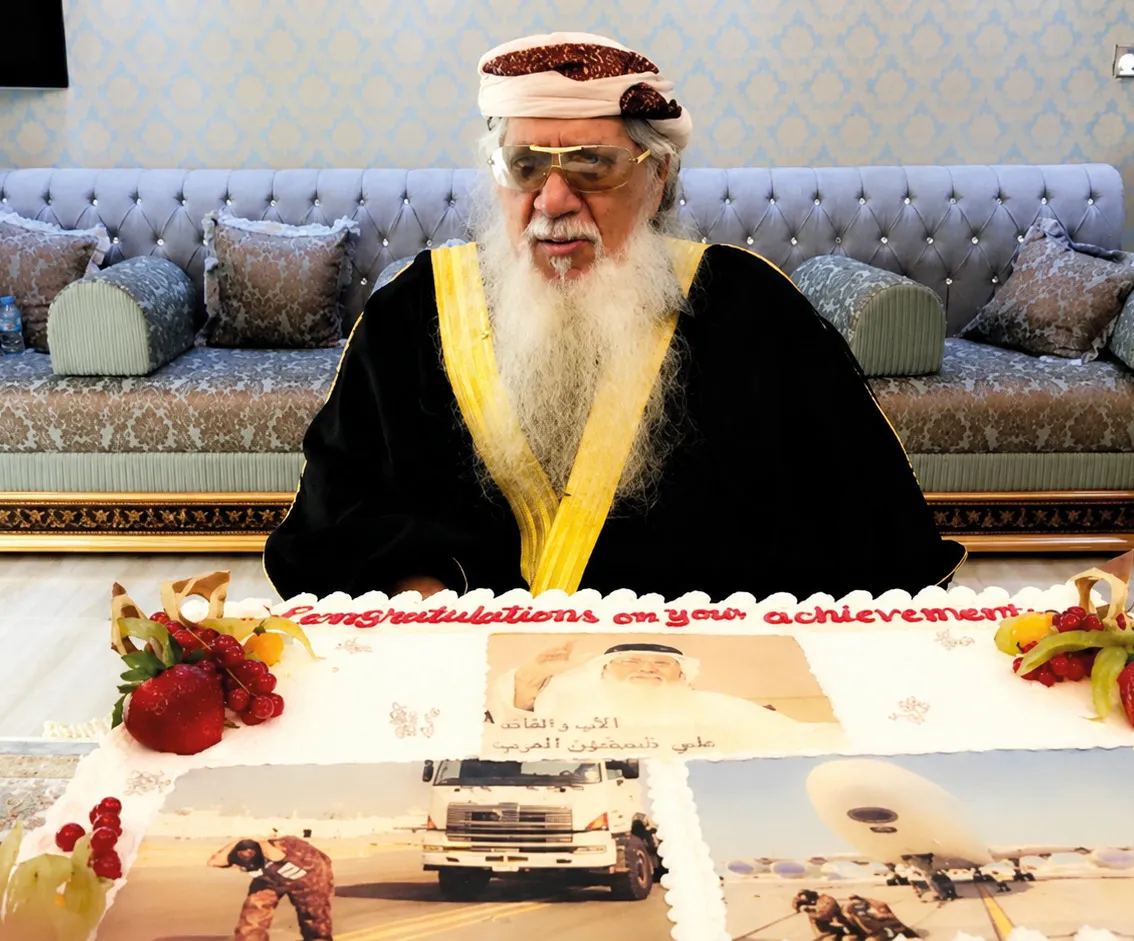
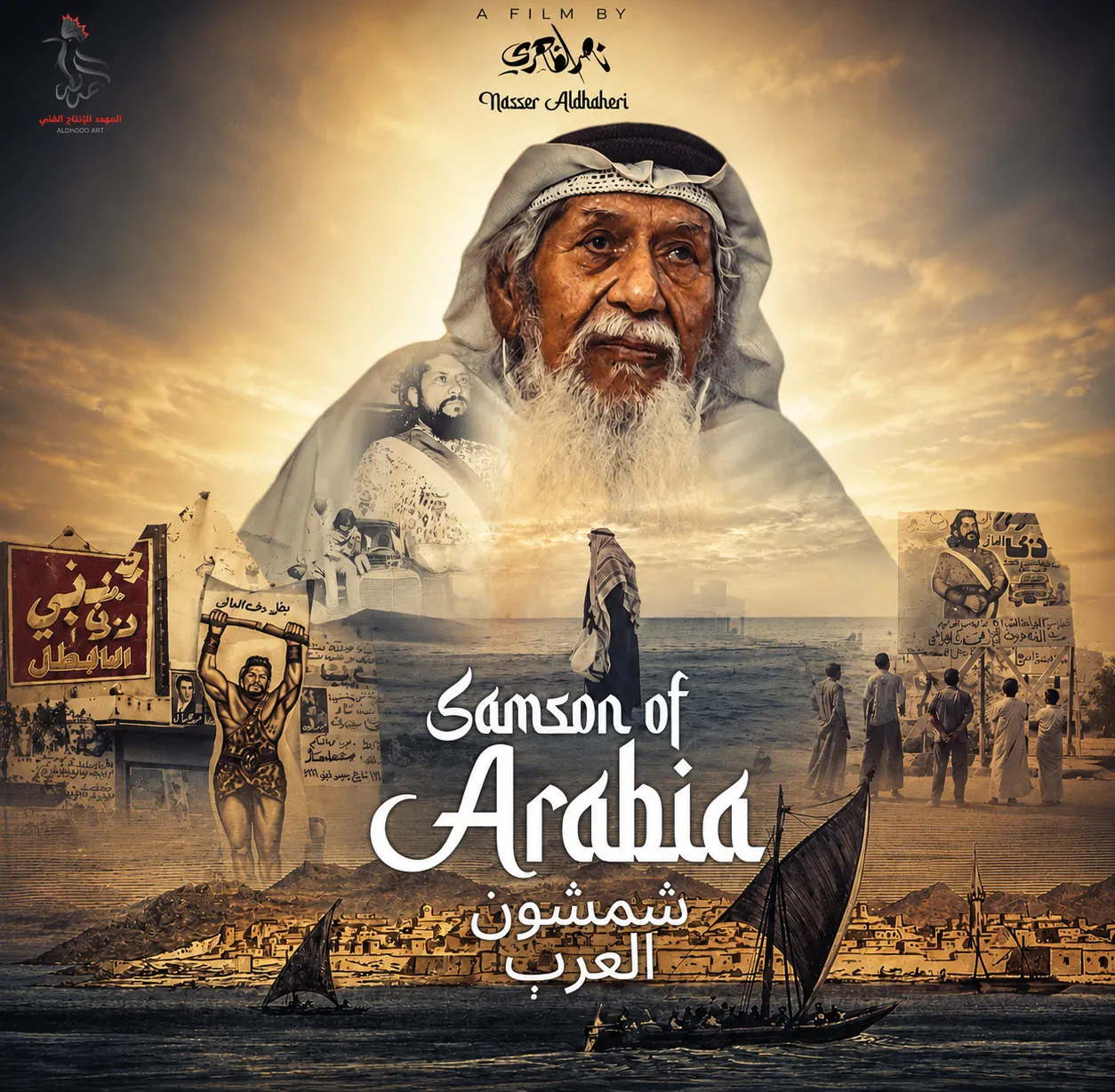
A one-hour and 15 minutes documentary film scheduled for production in 2025 In the sixties and seventies, we used to hear the story of a strong, heroic man. Sometimes he was referred to as “Samson of Arabia” and sometimes as “Samson the Mighty.” We enjoyed his presence when we watched his games and shows in Al Ain, Abu Dhabi, Dubai, and other Emirates. His personal presence and fame were the same as any great artist. His performances were often covered by Arab and foreign newspapers, and he had admirers everywhere, across countries, ages, and social levels. He could test strength, such as breaking rocks on his stomach and back, passing cars on his hands and feet, dragging cars with his hair, carrying weights with his teeth, sleeping on glass, and lifting a donkey only with his teeth. King Hussein Bin Talal of Jordan called him “Samson of Arabia,” and President Jamal Abdel Nasser of Egypt called him “Samson the Mighty,” but he rejected the expression “AlJabbar- the Mighty “ and took comfort in his nickname, which spread and became part of his identity card and passport. He provided a lot of services to his country and fame when we did not have any institution or individual who could make the difference, and guide the world to our geographical location, who we are, and how we are. Samson Al-Arab shouted at the Emirates and Dubai in many cities that he crawled to, with his pocket dirhams, which at that time were few, and from the proceeds of his performances, and what fans and lovers in Arab countries gave him. Today, Samson of Arabia, who has exceeded eighty years of age, championships, achievements, and fame, after saying goodbye to his wife “Dalila,” lives alone, covered by darkness, and prevented from moving. However, the echo of those chants in the stadiums and on the stages still touches his hearing and his heart with the ecstasy of pride and love of challenges.
Production Stills
Samson of Arabia
Samson of Arabia
Samson of Arabia
Kanad Hospital
#05

Kanad Hospital

مستشفى كَنَد: حكاية أقدم مستشفى في العين

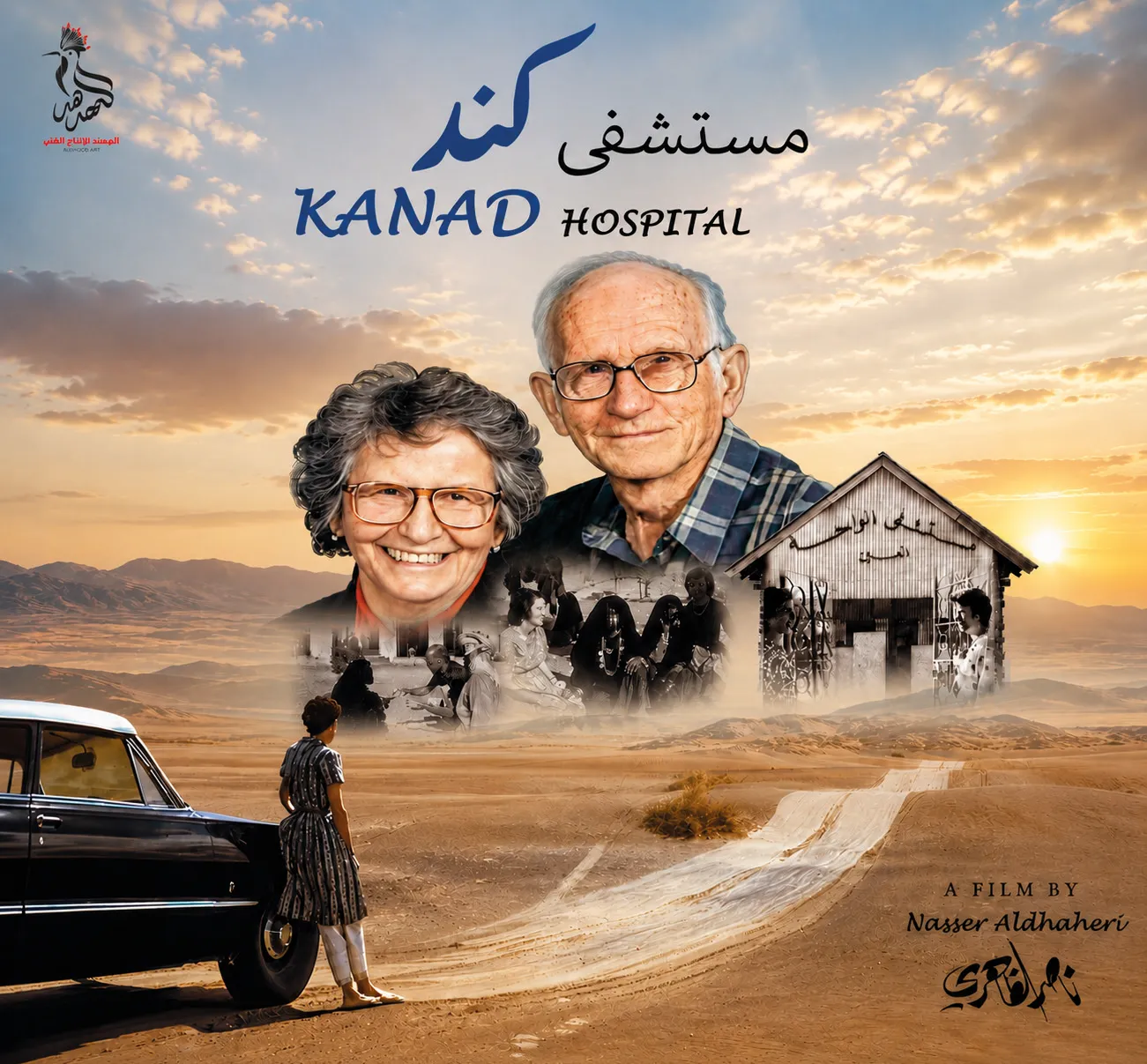
The story of the oldest hospital in Al Ain, known as Kanad Hospital, formerly referred to as Al Waha Hospital, holds a special place in the hearts of the local community. Established in 1960 by American missionary couple Dr. Pat and Marian Kennedy, it has been affectionately called “Kanad Hospital” by the residents since its inception.As the oldest hospital in Al Ain and the second oldest in the United Arab Emirates, the hospital’s history can be divided into three significant phases. Over the years, it has welcomed more than one hundred thousand new lives into the world. This documentary film narrates the touching tale of the bond between the hospital’s family and the city’s people, highlighting the journey of the doctors, pharmacists, nurses, and caregivers who have passed through its doors. From its humble beginnings to its present state, the hospital has remained steadfast in its mission, encapsulated in its enduring motto: Faith, Hope, Peace, and Love.
On the Shore of a Homeland
#06

On the Shore of a Homeland

على ضفة وطن: سيرة فالح حنظل

This documentary film narrates the life story of Falih Hanzhal, born in Baghdad in 1934. He served as an officer in the Iraqi Royal Army and was a military aide to King Faisal II. Following the ousting of the monarchy in Iraq in 1958, he was dismissed from the army and left the country to study in America. After completing his studies, he returned to Iraq and worked at the Iraqi Federation of Industries. However, the ongoing instability and military coups in Iraq compelled him to flee to Jordan in 1968. In 1969, he moved to Abu Dhabi, where he settled permanently. In Abu Dhabi, he worked in groundwater exploration before transitioning to the oil industry. Eventually, he dedicated himself to research, literature, and history, authoring numerous books about the history of the UAE, the local dialects, and biographies of notable poets, sheikhs, and literary figures. In this film, Falih Hanzhal reflects on the wounds of his homeland, Iraq, while reminiscing about the blessings of the UAE. He shares his insights as a man who has lived for 90 years on the shore of a homeland.

Al Ain, The Oasis of Beauty!
#07
Promotional Film

Al Ain, The Oasis of Beauty!

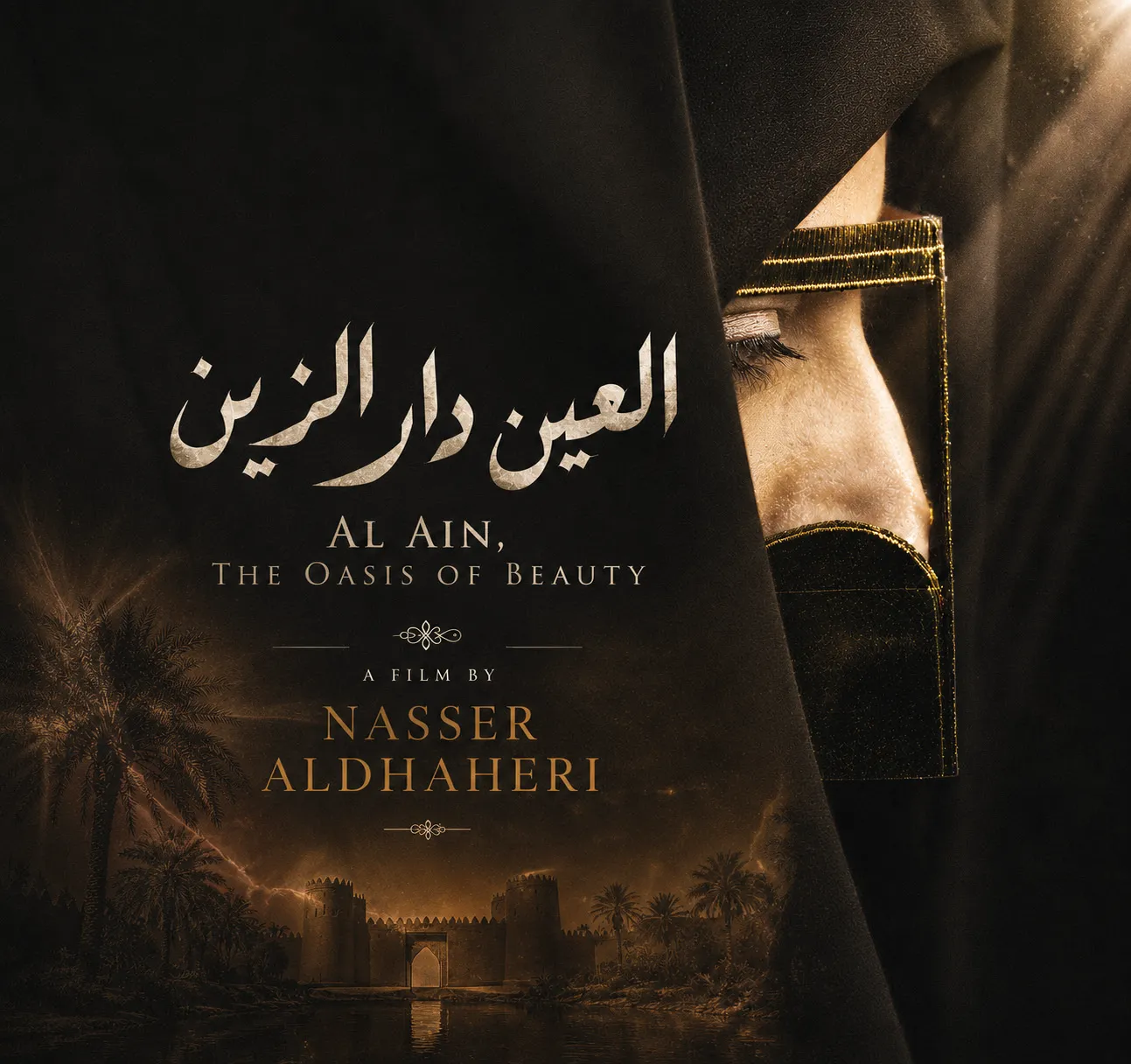
العين.. دار الزين

A promotional film for the city that serves as a significant tourist destination, drawing inspiration from its authenticity and historical heritage to bridge the gap to global tourism. It aims to attract international visitors to this green, clean, and tranquil city.

Thabet & Meliha
#08

Thabet & Meliha

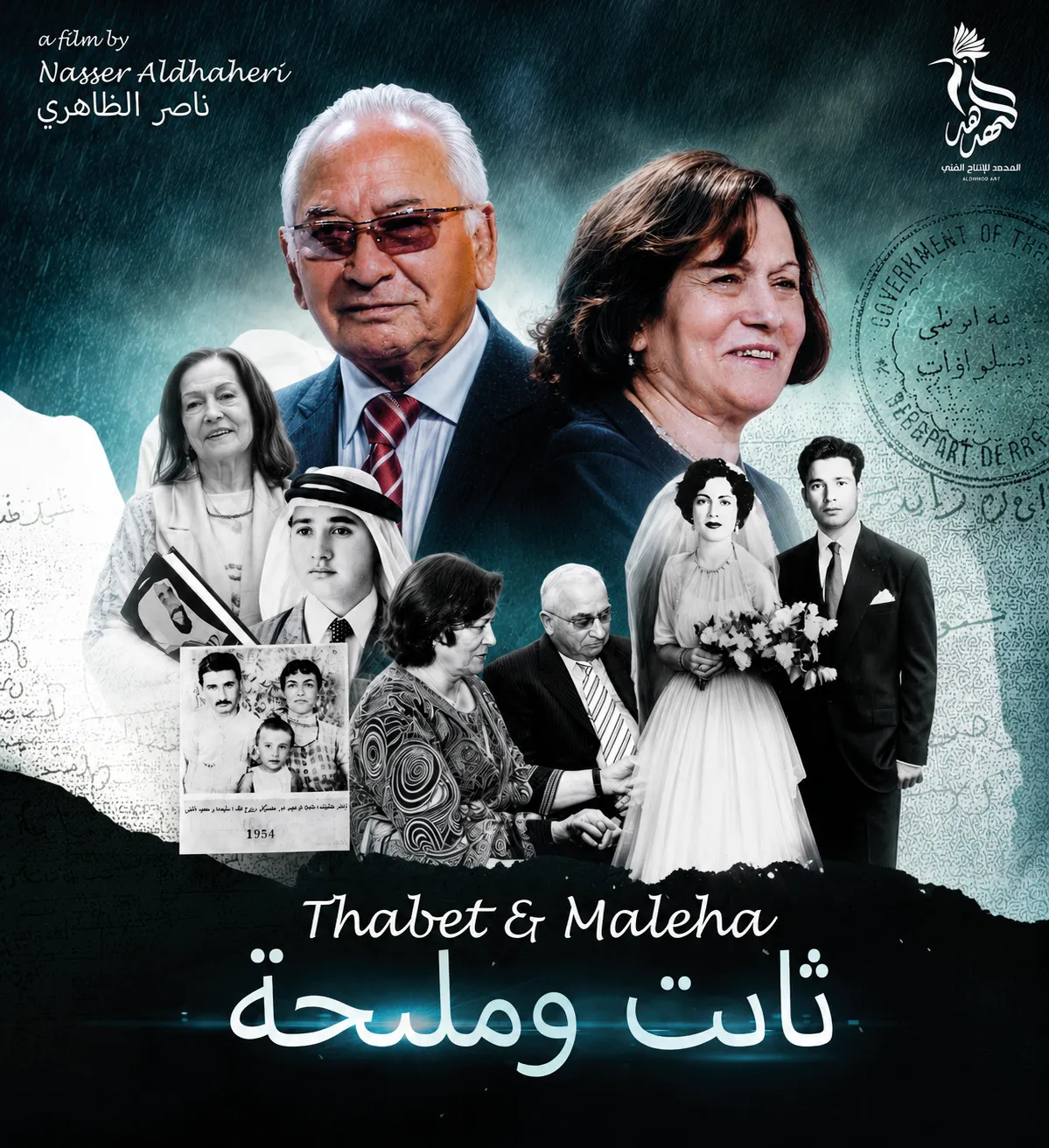
ثابت ومليحة: أطباء الواحة الأوائل

A Tale of Compassion and Service, the story of Dr. Thabet Thabati Mehr and his wife, Dr. Meliha Thabati Mehr, begins with their arrival from Iran to the city of Al Ain in 1955. At that time, there were no hospitals or clinics available, yet they dedicated themselves to serving the community for forty years, utilizing the modest medical equipment they could periodically bring back from their travels, particularly from Iran. The locals affectionately named their clinic “Thabet and Meliha Clinic.” In addition to treating various ailments at their clinic, they went above and beyond by visiting homes to provide medical services, especially in emergency situations, and even traveled to remote areas of the desert to offer necessary medical assistance. They understood that many illnesses stemmed from poor nutrition, which led them to introduce irrigation and farming equipment to Al Ain to enhance food production. They also provided a water pump that was fondly referred to by the locals as the “Thabet Machine,” which helped supply water to the community. Dr. Thabet served as a general practitioner, treating a wide range of diseases, including dental issues, while Dr. Meliha specialized in gynecology, caring for women and delivering thousands of babies. This film recounts the touching tale of these two physicians who arrived in Al Ain and selflessly served its residents with love and a profound sense of humanity during a challenging and harsh time for all.

Soul's Whispering
#09

Soul's Whispering

همس الروح: جامع الشيخ زايد الكبير

Can the soul find a tranquil refuge amidst modern cities, reflective glass towers, and ready-made concrete and aluminum structures? How can we leave everything behind and walk lightly with our spirits and our love toward a place we believe holds the promise of purification, elevation of the self, and limitless contemplation?This evokes a journey to a true icon of the spirit, whispers of faith, and an architectural masterpiece built on an island between the shores of a sea that still retains its azure hue. Sheikh Zayed Mosque, or the Grand Mosque, occupies an area of 22,412 square meters in the southern part of Abu Dhabi, the capital of the United Arab Emirates. Construction of this architectural icon began in 1996 and was completed in 2007, costing 545 million dollars, accommodating 41,000 worshippers. This documentary film tells the story of the construction of this mosque and the tales associated with it, involving the people and the precious items it contains. This mosque is considered an icon of the

Source text is cut off mid-sentence in PDF
Abu Dhabi, Where the Sun Kissed Adventurers Await!
#10
Promotional Films (3)

Abu Dhabi, Where the Sun Kissed Adventurers Await!

عمار.. يا أبوظبي

Three promotional films showcase the emirate as a promising tourist destination, emphasizing cultural, wellness, educational, and luxury tourism. Rooted in its rich heritage and authentic history, Abu Dhabi strides towards sustainability, coexistence, and a leap into a modern and ever-evolving future.

Fishing is my Sanctuary
#11

Fishing is my Sanctuary

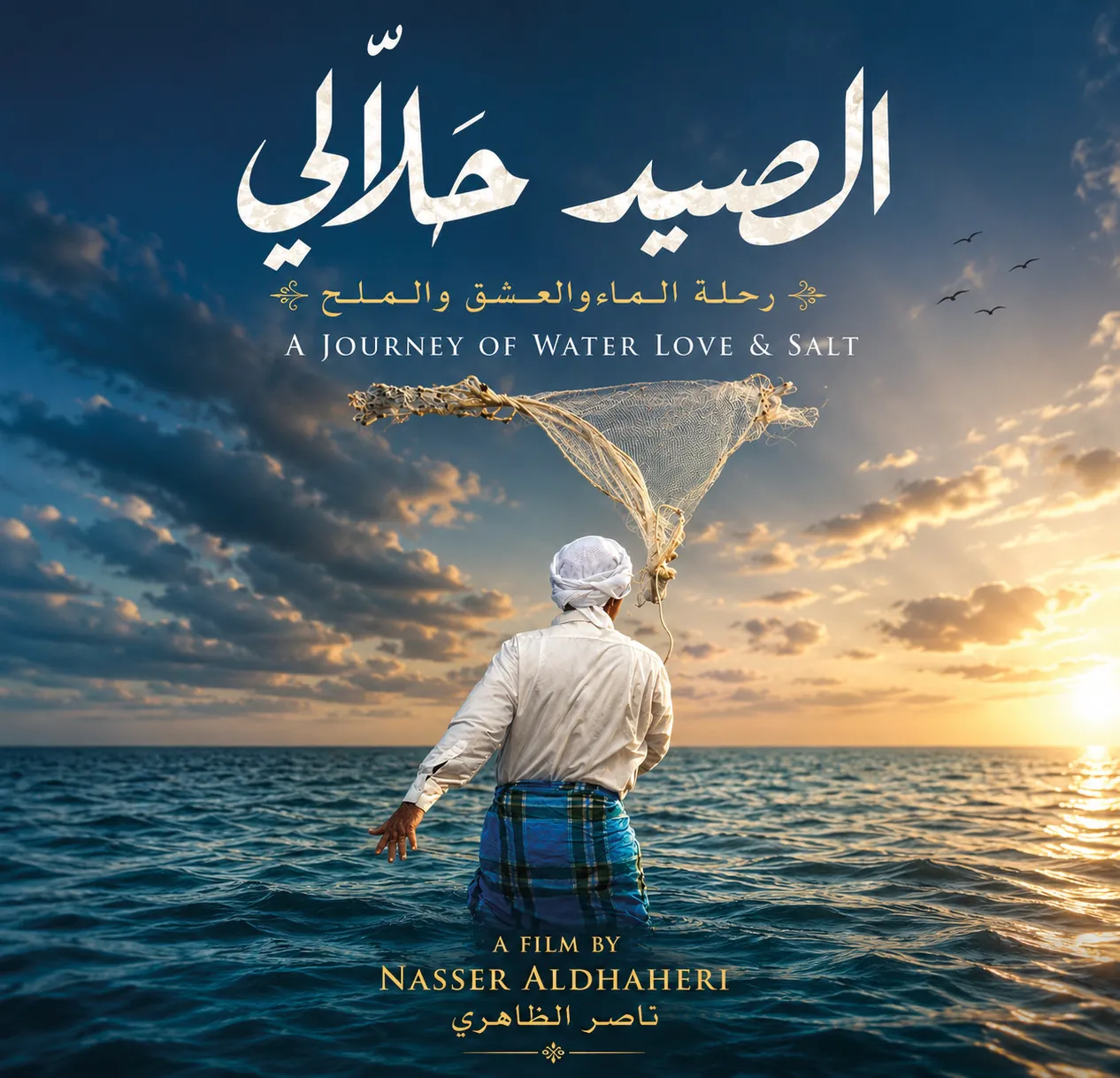
الصيد حَلالي: في اقتفاء أثر الماء والملح

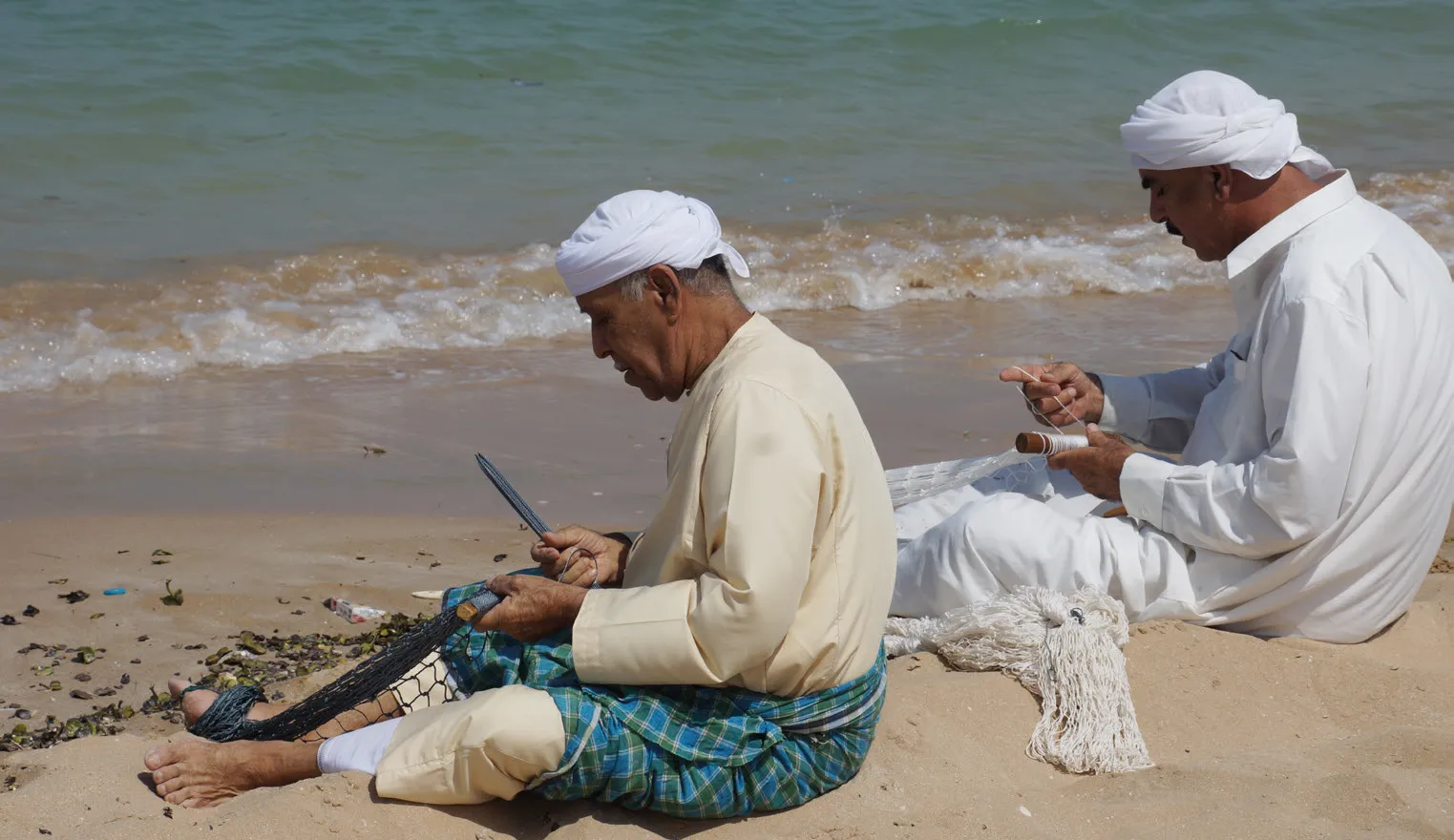
A quest in pursuit of water and salt. A documentary that recounts the story of a family’s journey: tracing the trails of water and salt, their fishing voyages, the drying and salting of their catch. It weaves their tales, songs, and proverbs, capturing the memories of days spent at sea—moments and encounters that unfold into stories worth telling.

Production Stills
Fishing is my Sanctuary
The Queen's Wrath
#12

The Queen's Wrath

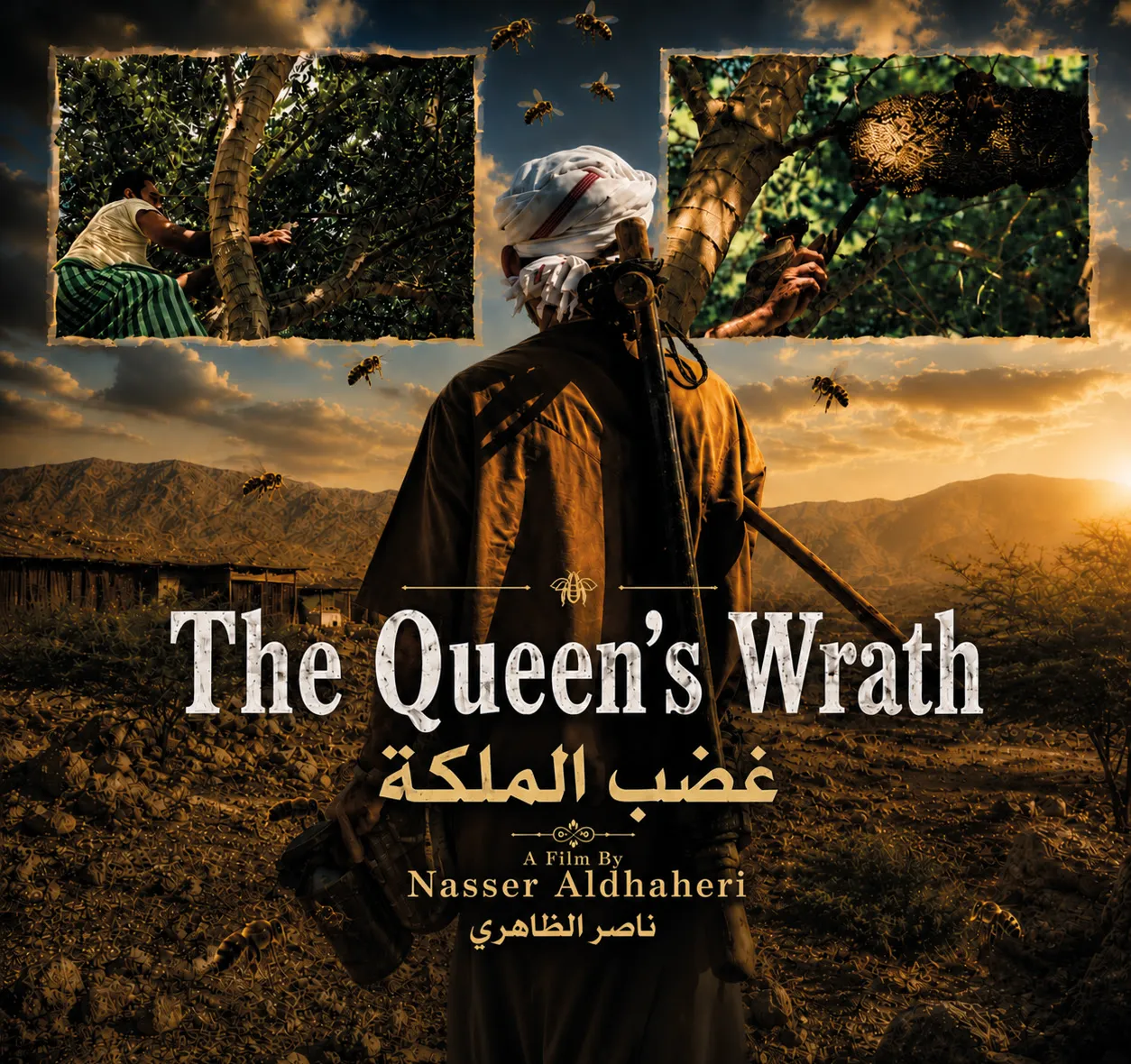
غضب الملكة: في سيرة العسل الجبلي

A film narrating the enchanting tale of honey found within mountain caves and the hollow trunks of trees, illustrating the primitive methods of its extraction. It weaves stories passed down about this arduous craft, exploring the various types of honey, the most vital trees and local flowers that serve as its source of nourishment, and the people, melodies, and sounds intertwined with this timeless profession. An evocative journey into the sacred relationship between nature, tradition, and the sweet craft that has sustained communities for generations.

Khalifa the Great
#13

Khalifa the Great

خليفة الكبير: ربان سفينة آل نهيان

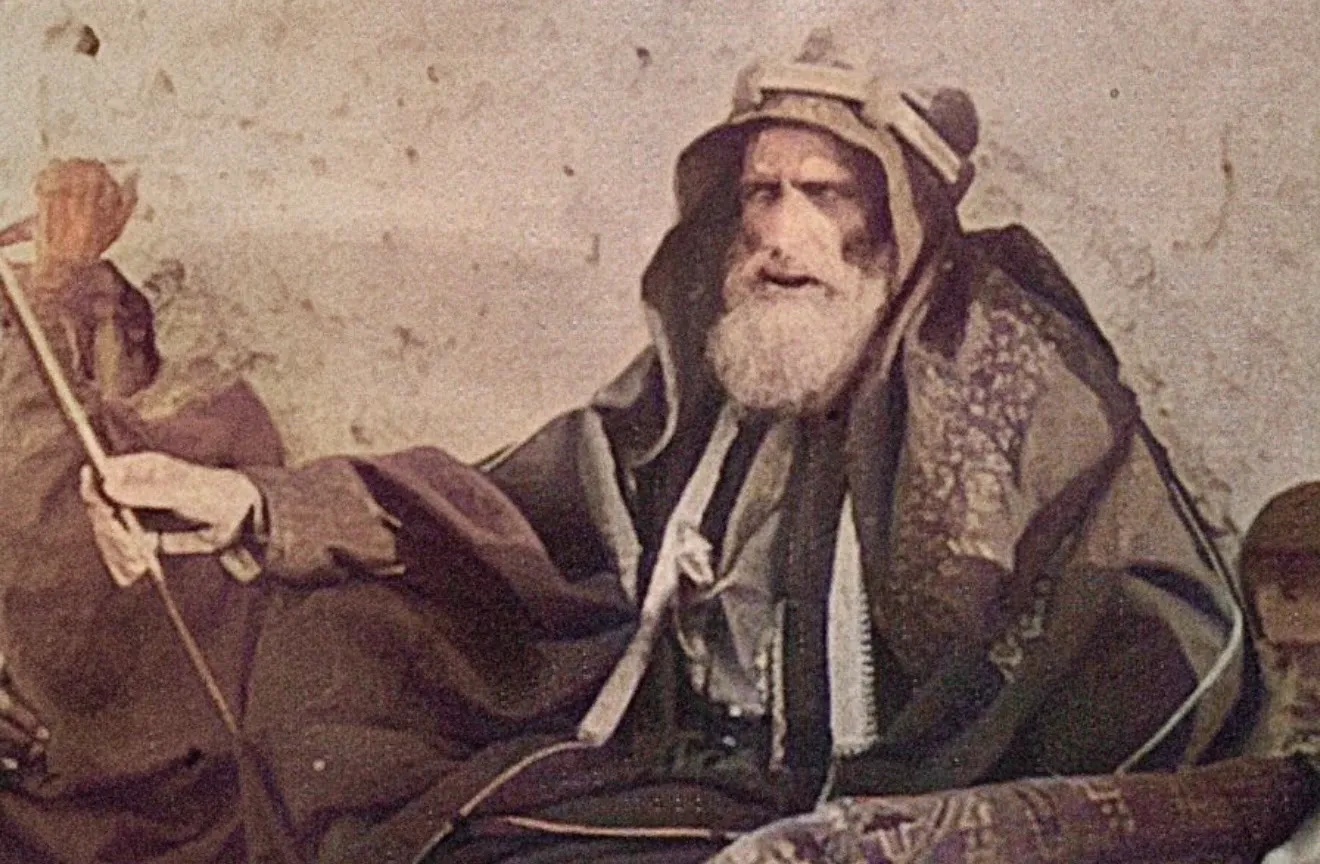
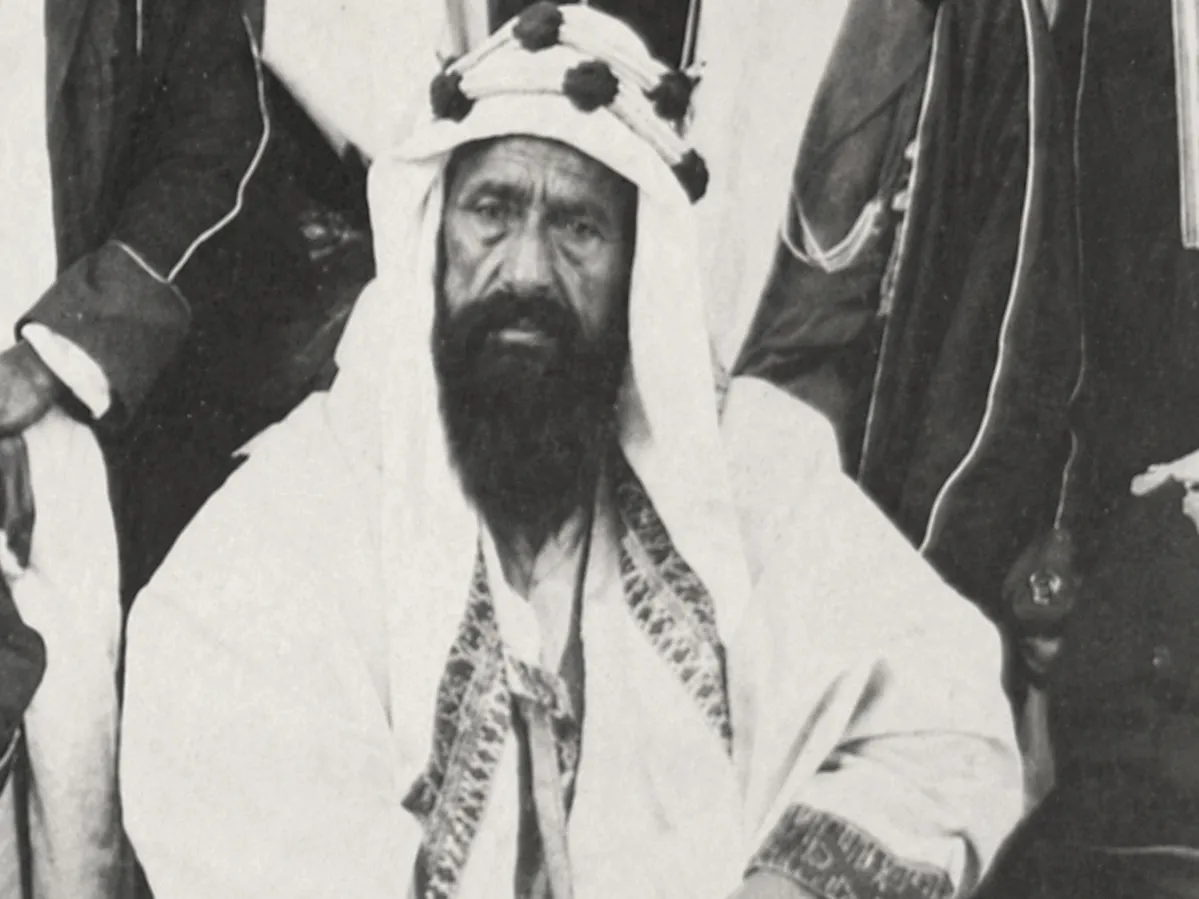
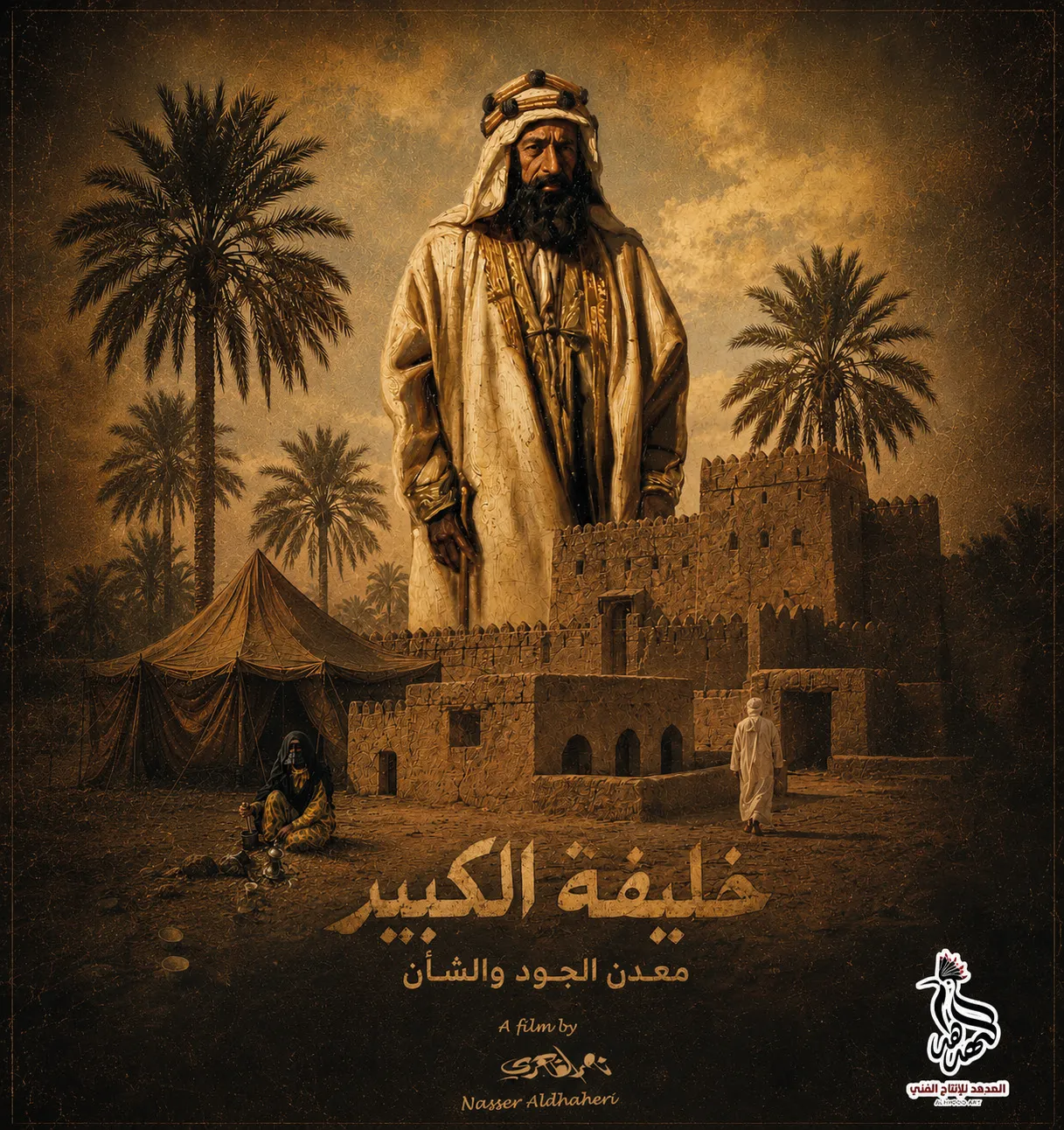
A documentary film that revisits the life of one of the most influential and wise figures in the Al Nahyan family, renowned for his political acumen and exceptional governance.

Production Stills
Khalifa the Great
Khalifa the Great
The Aid Barbecue – Al-Wakheefa
#14
Short Documentary 21 minutes

The Aid Barbecue – Al-Wakheefa

الوخيفة: طقس شوي العيد في العين

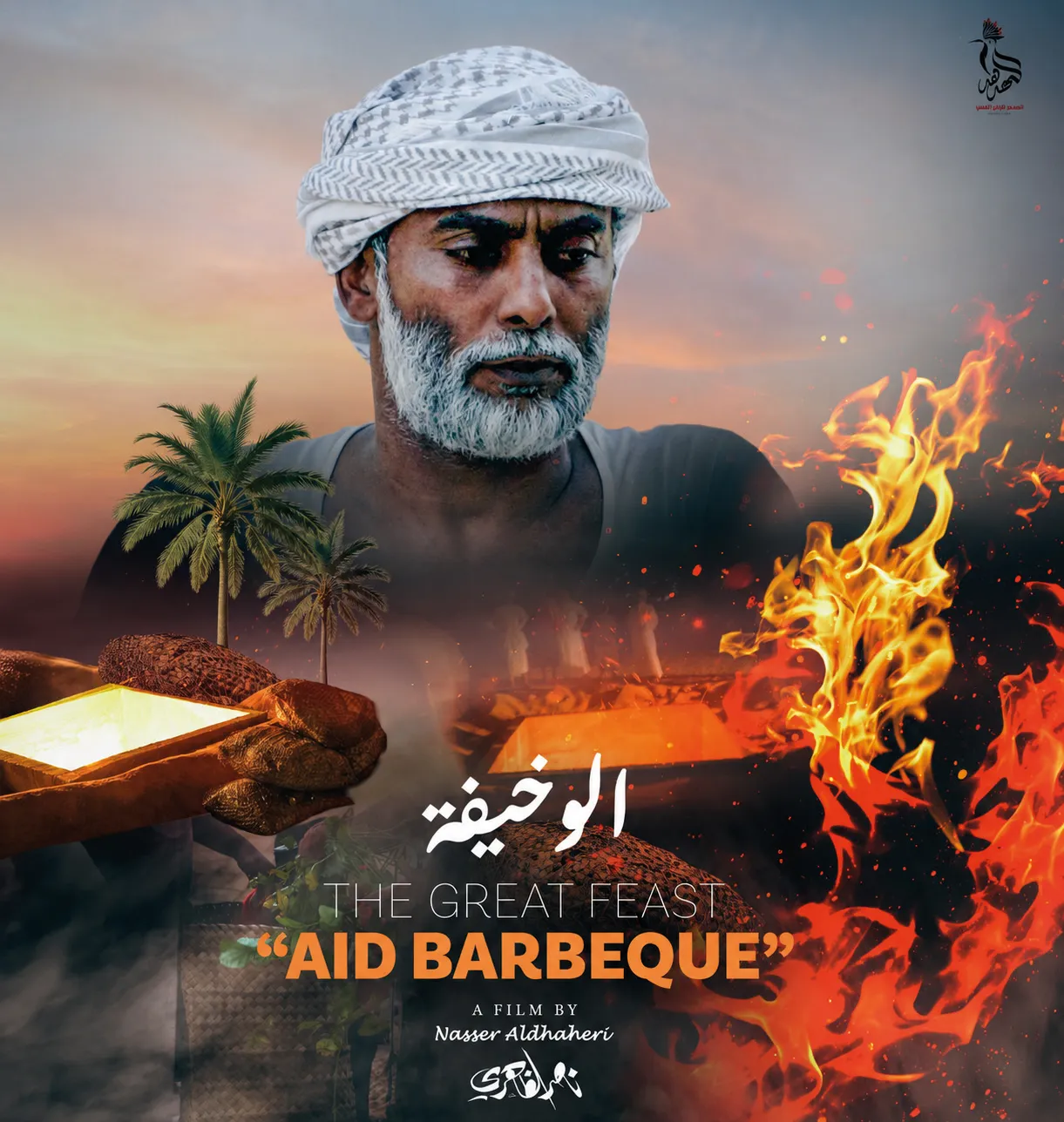
A short documentary film lasting 21 minutes, centered around a unique tradition of the Aid al-Adha festival in the city of Al Ain. This region is distinguished by this social practice, which has been upheld since ancient times and is shared with certain areas along the borders adjacent to the Sultanate of Oman. The film aims to document this tradition, highlighting the accompanying festivities during the grand feast holiday, such as children’s games, henna application, singing, and the joyful expression of local arts, particularly the “Maalid.” It reveals the distinctive way the people of Al Ain prepare the traditional “Wakheefa” for the grand Aid feast. This endeavor seeks to register this cultural heritage for future generations, aspiring for its inclusion in the UNESCO list, ensuring its preservation against the tide of modernity that could sweep it away in a moment of negligence. It serves as a clarion call, reminding us not to lose the beautiful and authentic elements of our society, of which we are nearly unique.

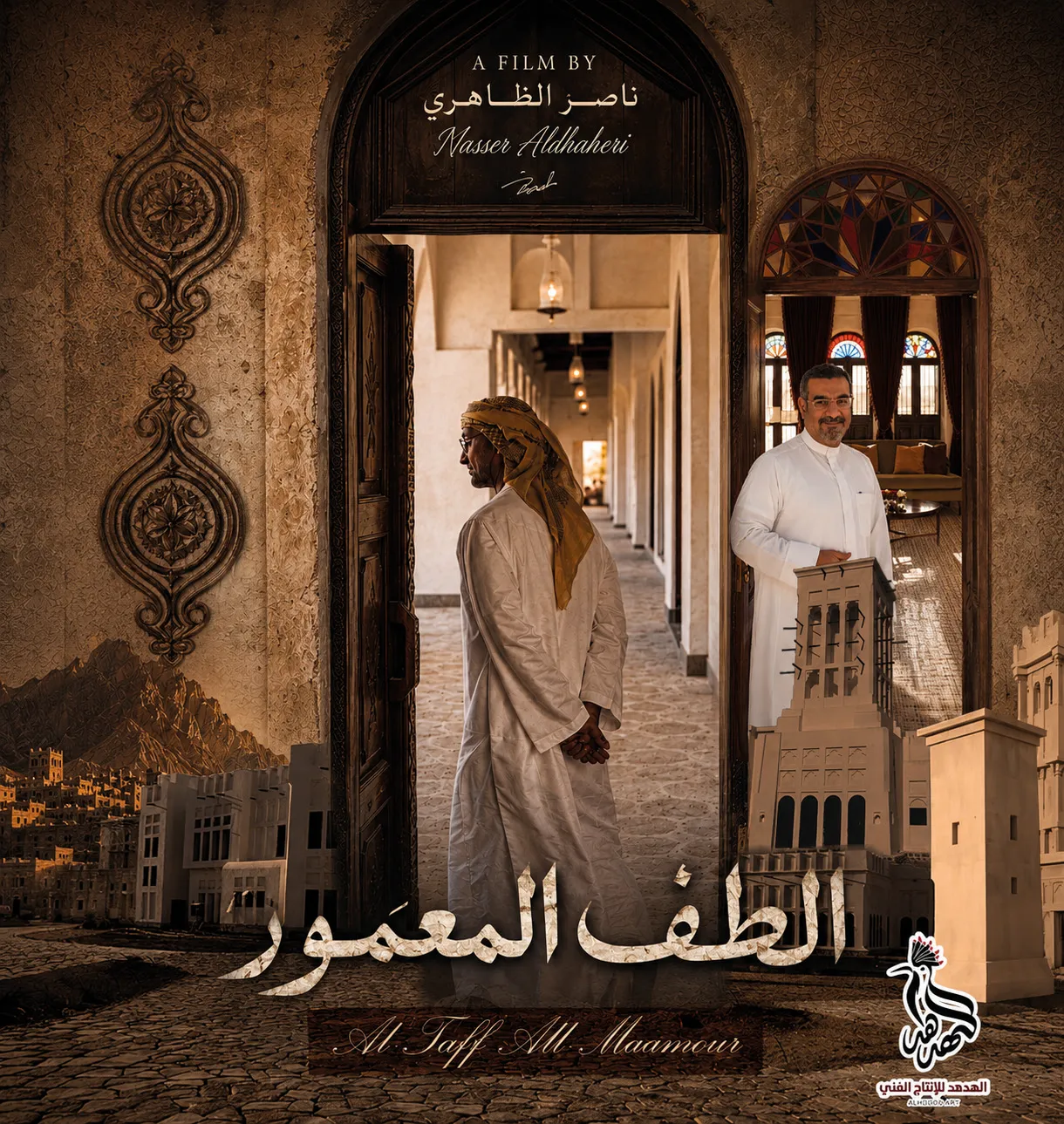
Al-Taff Al-Maamour
#15
60 minutes

Al-Taff Al-Maamour

الطف المعمور: فنون العمارة المحلية

A documentary film about the art of local architecture in the United Arab Emirates explores how ancient humans made choices based on their environment and the prevailing climate of the region. It illustrates how they utilized the surrounding nature to construct buildings, using materials such as mountain stones, marine rocks, and palm trunks and fronds. Through their ingenuity and traditional tools, they created designs that incorporated sunlight, light, shade, and air currents to naturally cool their spaces, exemplified by the “Barjeel.” Clay materials were employed to warm interiors in winter and cool them in summer. The film also highlights the cultural aspects of old buildings, which were designed with modesty, privacy, and spaciousness in mind, accommodating extended families that included grandparents, parents, and children. Through a modern lens, this film delves into the intricate details of architectural heritage, drawing inspiration from traditional local design and its unique characteristics. It is surrounded by green spaces planted with trees and plants from various environments and regions of the UAE.

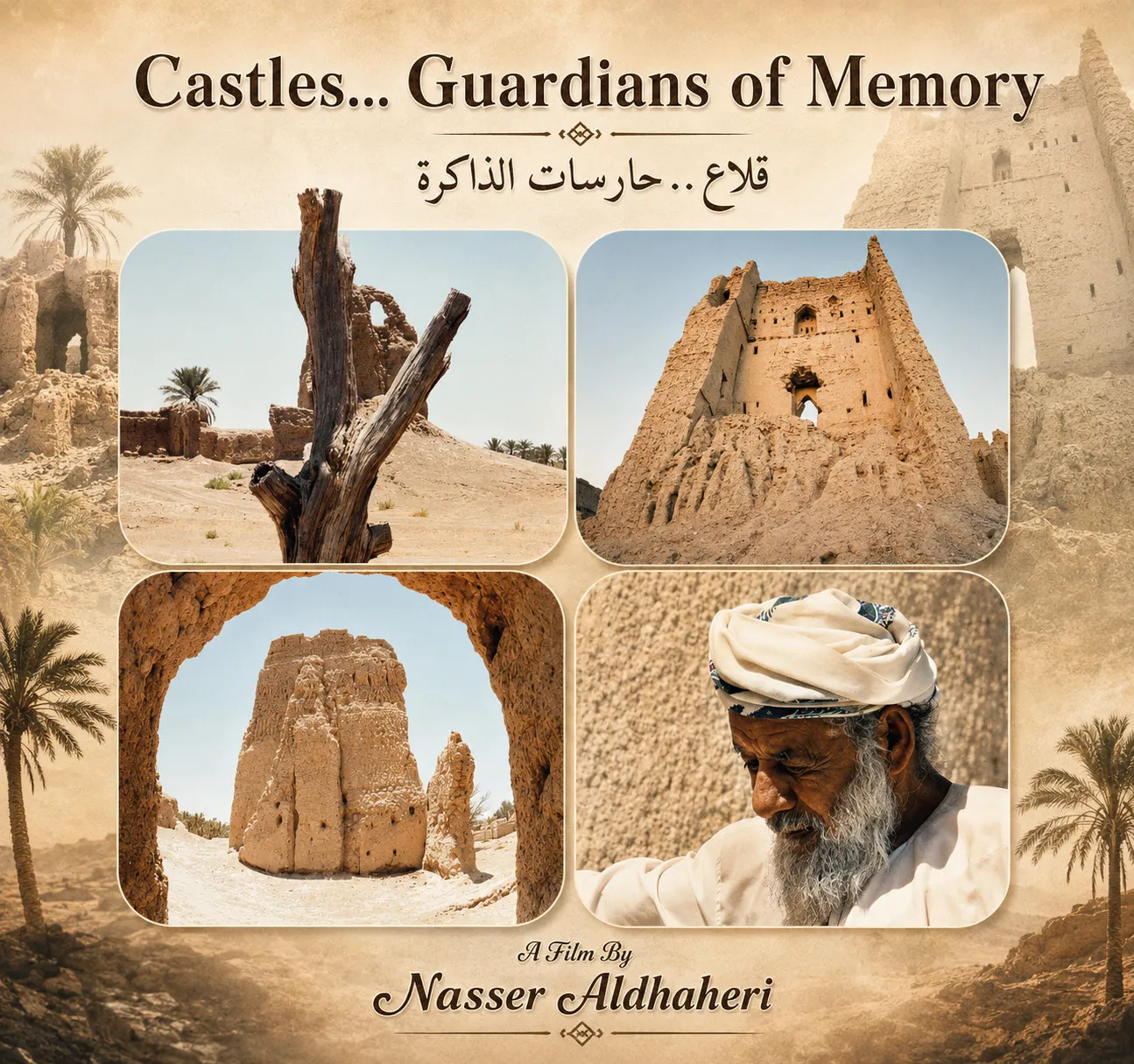
Castles... Guardians of Memory
#16

Castles... Guardians of Memory

قلاع.. حارسات الذاكرة

A documentary film that speaks of the most significant castles and fortresses in the Emirates—guardians of the cities during times of hardship, and custodians of memory for future generations.

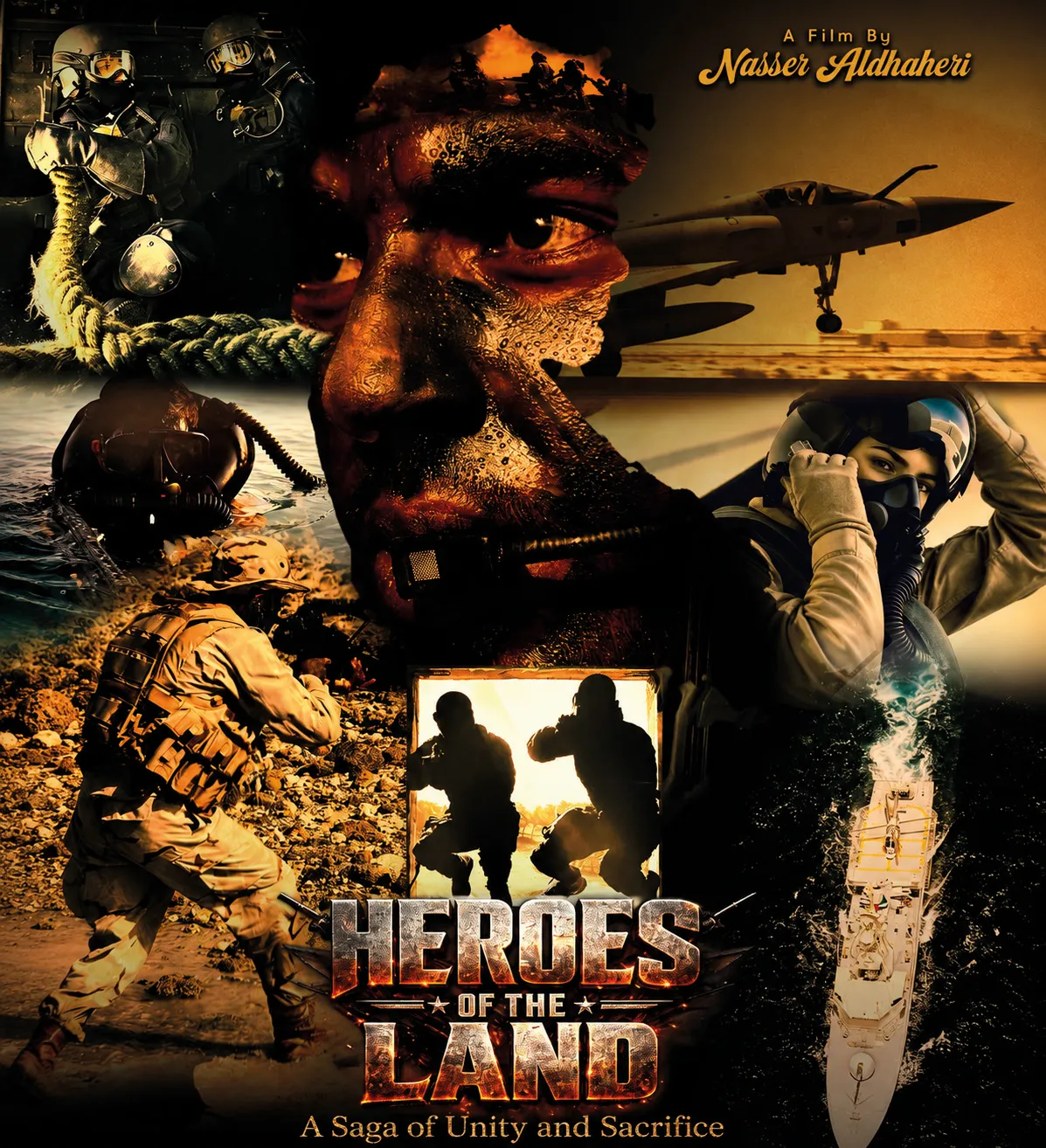
Heroes of the Land
#17
Documentary (project) 60–90 minutes

Heroes of the Land

أبطال الوطن: خمسون عاماً من البذل والعطاء

This documentary film captures the remarkable developments, achievements, sacrifices, and contributions of the armed forces of the United Arab Emirates over the past fifty years. It highlights their local, Gulf, Arab, and international participation in humanitarian, charitable, and volunteer work, providing support and assistance to uphold security and stability in friendly and sister countries, especially those suffering under the weight of civil wars, political disputes, and dire humanitarian conditions. In these locations and events, the UAE armed forces have consistently demonstrated their commitment through words, actions, sacrifices, and support. They have built hospitals and schools, ensured the safety of individuals in their homes, supplied essential provisions, and aided people in resuming their normal lives. Thus, it has become imperative to document, record, and preserve these significant contributions in a documentary film that will endure for future generations. This will involve interviewing surviving founders, utilizing archival footage from those who have passed, and gathering all relevant documents and film materials from the British archive and intellectual property sales websites for old cinematic tapes. These elements will be incorporated into this artistic work, which will adhere to international standards, resulting in a film with a runtime of 60 to 90 minutes.

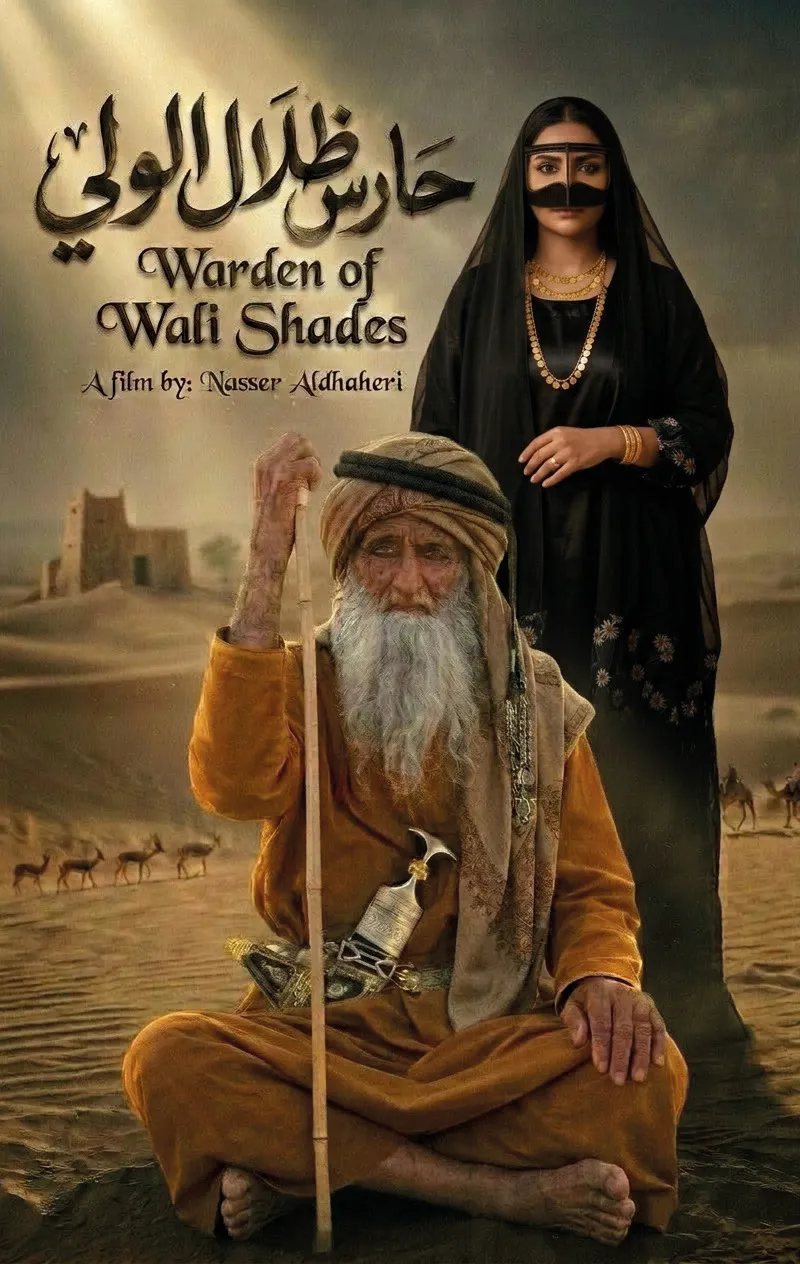
Warden of Wali Shades
#18
Fictional Feature Film 90 minutes

Warden of Wali Shades

حارس ظلال الولي

The story revolves around a young man who falls from a palm tree and loses consciousness, leading the townspeople to believe he has died. Only his mother refuses to accept the death of her only son. They bury him in the “Qussaida” cemetery and leave. However, the mother stays by her son’s grave, weeping and praying, unable to believe he is gone. She settles beside his tomb, feeling the damp sand as she sobs. When she regains her composure, she remembers God until exhaustion overtakes her, and she falls asleep on the grave. That night, a heavy rain falls, and thunder wakes her. The waters rise, covering some of the sandy graves. As the rain intensifies, it softens the clay of some new graves, causing her son’s grave to open. A hand wrapped in a shroud emerges from the earth. She screams, hearing a moan and a raspy voice calling “Mother.” She digs near his head, believing she is dreaming. Removing the shroud, she embraces him and pulls him from the mud and water, as he emerges just as she bore him, covered in clay. Overjoyed by his new birth, she names him “Atiq,” and the townspeople later call him “Al-Marmoom,” as remnants of the clay and ants remained on his face and hands. That day, she vowed that if he grew a little, she would make him the keeper of the saint’s grave. For years, he remains the guardian of the saint’s “Wali” grave. One night, he is illuminated by the lights of knowledge and good deeds, and he sees a shadow walking. The shadow tells him, “Follow me!” Together, they distribute blessings and bring tranquility to troubled souls, delivering goodness to closed doors under the cover of night. The people adore him, viewing him as a cloud of goodness and blessing in a simple community that lives in harmony and believes in the existence of beings in the darkness battling between good and evil, with God as their protector and the blessing of the righteous saint’s “Wali” grave. Years later, the decision is made to demolish the saint’s grave, but he remains loyal until his final days, guarding the shadows of the “Wali“ who bestows goodness and blessings and prevents evils in secrecy.

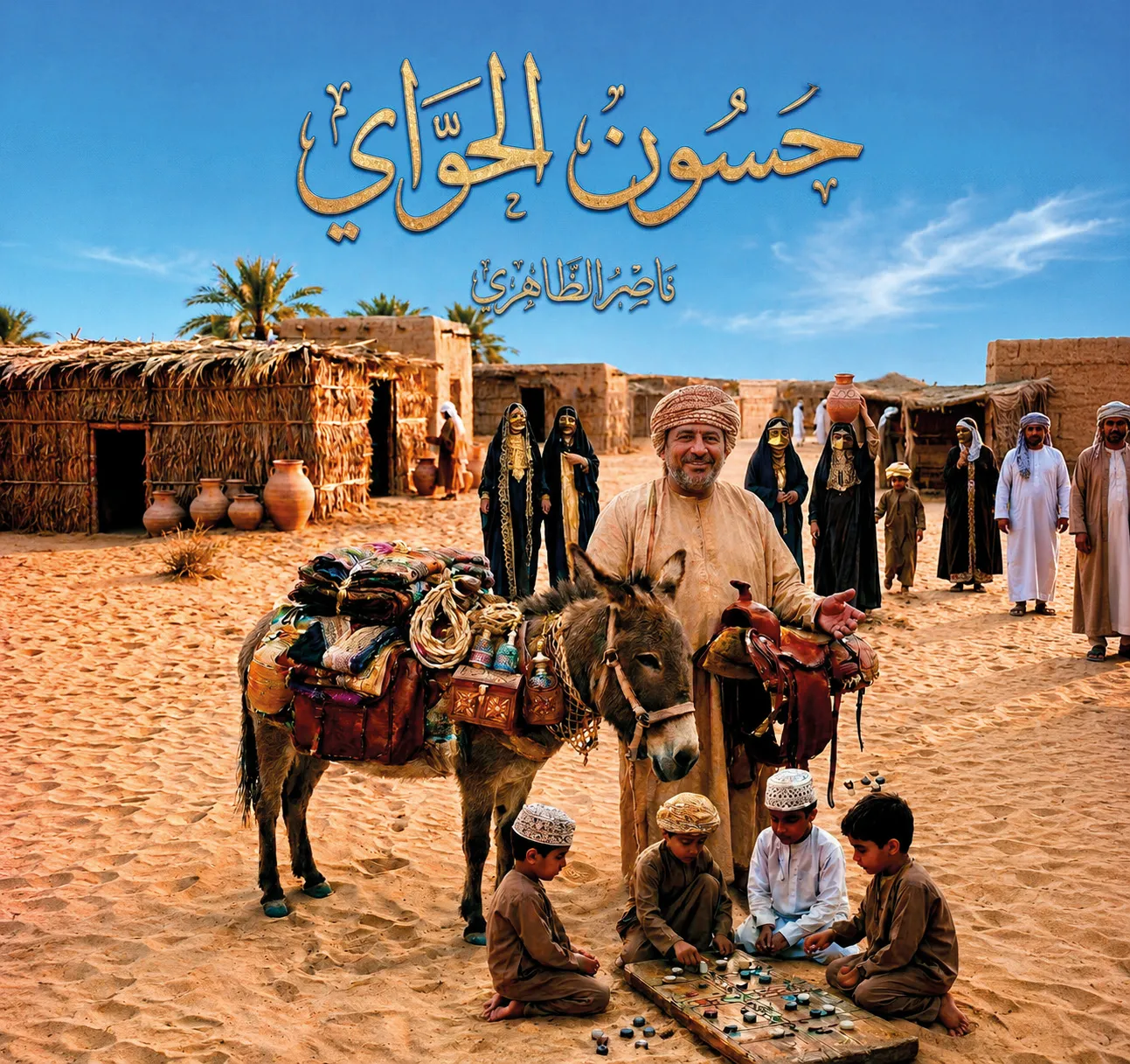
Hassoun the Hawwai
#19
Animated Series (kids)

Hassoun the Hawwai

حسّون الحوّاي

This animated series for children narrates the ancient era of the Emirates and its people, focusing on their customs, traditions, and the noble values that flourished within their community. It depicts a simple life where people were cooperative and loved one another, all through the story of a traveling vendor who roamed the houses, selling garments, perfumes, adornments, and various items primarily for women and children, rather than for men. For twenty years, he diligently sold these wares on his donkey, eventually growing into a prosperous merchant. One day, yearning to return to that path, he set off with his young daughter, singing his old song as he did when announcing his arrival at each home in the neighborhood. Suddenly, an elderly woman appeared, her face alight with joy, exclaiming, “Hassoun the Hawwai!”

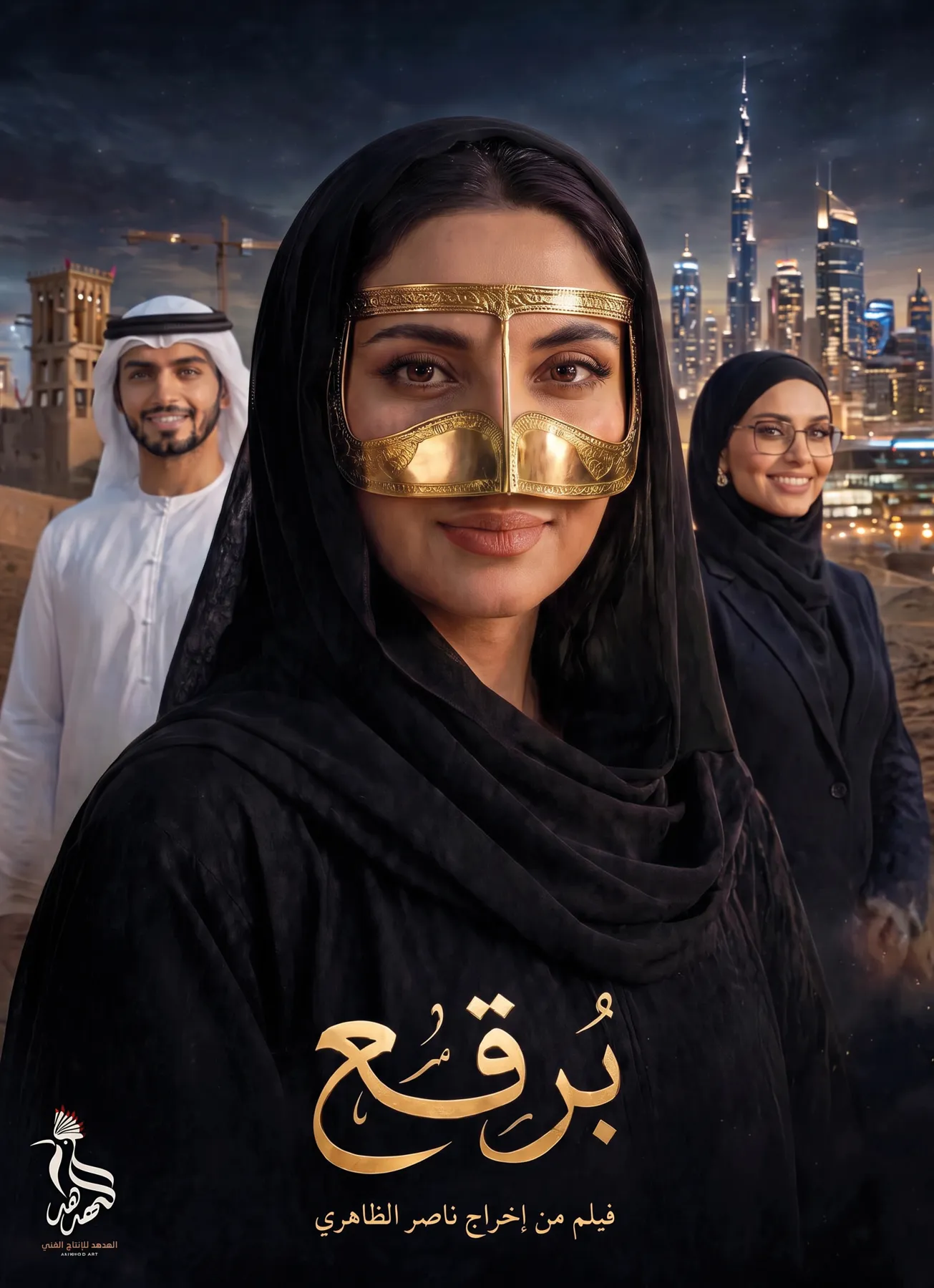
Al Burqa (The Veil)
#20
Film Project

Al Burqa (The Veil)

بُرقُع: حشمة وهيبة وهوية

Shot list / concept for a film about Emirati women and the burqa.

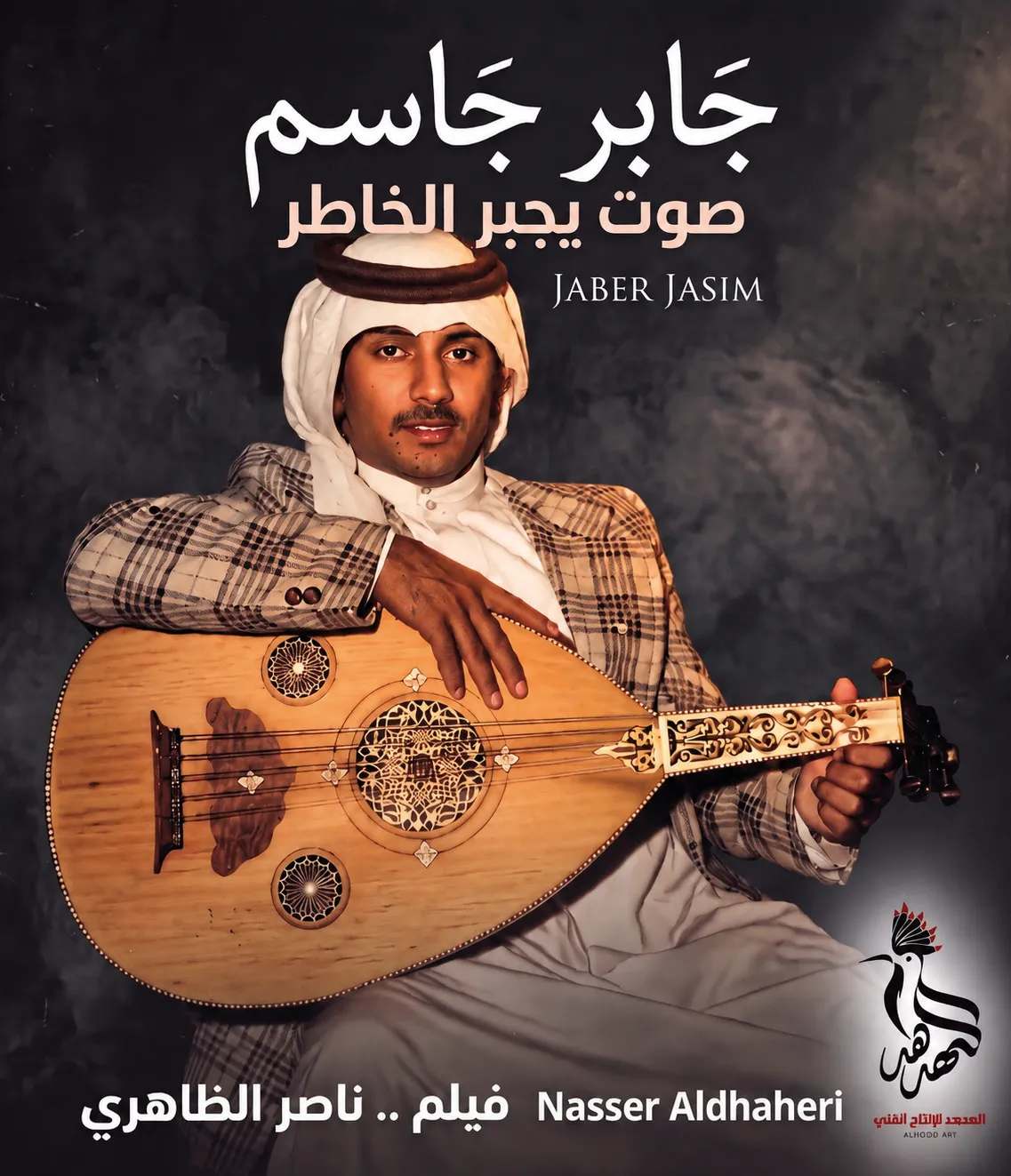
Jaber Jasim: A Voice That Soothes the Soul
#21
Documentary-Drama 2 hours or 4 episodes

Jaber Jasim: A Voice That Soothes the Soul

جابر جاسم: صوت يجبر الخاطر

A documentary-drama film, written and directed by Naser Al-Dhaheri. Duration: Two hours or four episodes. Subtitled in English, French, and Spanish. Jaber Jasim was among the pioneering artists who presented his craft with a distinct approach, deeply connected to the details of his people. He gave voice to their anxieties, their joys, and their local dialect—pure and refreshing as sweet water. Jaber Jasim Jaber Jasim Al-Muraikhi was born in 1950 on Dalma Island. He received his education in Abu Dhabi and Qatar and began his artistic journey at a very young age, with his first stage appearance in 1961. In 1971, he was sent to study music at the Higher Institute of Music in Egypt. He possessed a companionable, calm voice, distinguished by a beautiful huskiness and a rare vocal range, carrying the authentic accent of Abu Dhabi. He was of the first generation that relied on raw talent, self-education, and perseverance to forge a path. He collaborated with many prominent poets, most notably Al-Kandi, Ateeq Al-Dhaheri, and Bin Ateeq Al-Hamli, among many others. He composed music for himself and for numerous singers, including the Moroccan artists Samira Said, Aziza Jalal, and Raja Belmeleh. For over 30 years, he served the music and art scene in the UAE, preserving many poems that had previously existed only in the hearts of his people. He passed away prematurely in 2001 at the age of fifty one.

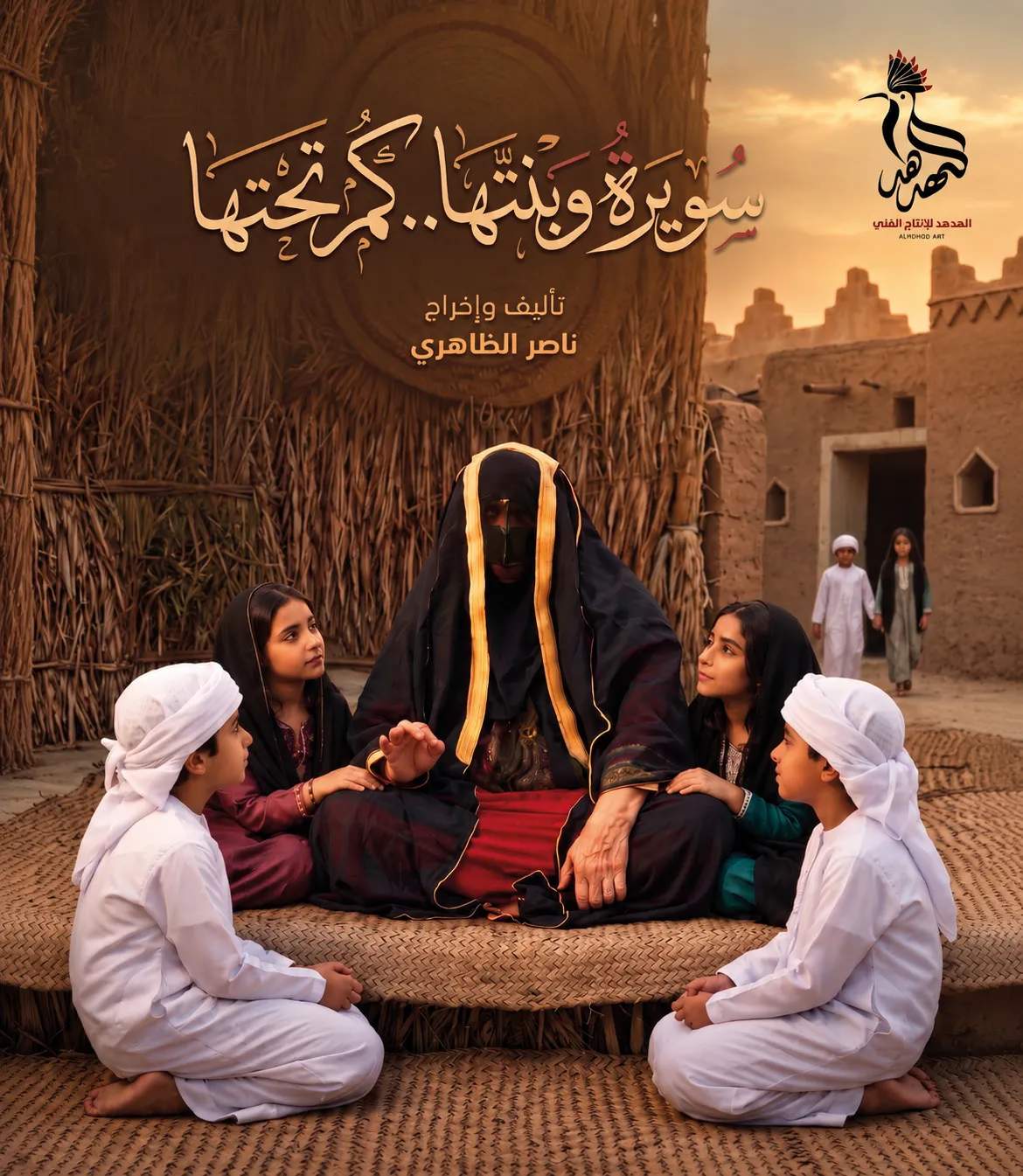
suwaira-and-her-daughter-how-many-are-under-her
#22

suwaira-and-her-daughter-how-many-are-under-her

سويرة وبنتها.. كم تحتها؟

– The game “Suwaira and her daughter” is a traditional Emirati folk game that relies on intelligence, quick wit, and traditional rhyming responses. – The grandmother begins by saying, “Suwaira and her daughter,” to which the children reply, “How many are under her?” The grandmother then tours the neighbors’ houses, recounting each home and its unique stories.

Goddess of Time
#23
Experimental Feature Film

Goddess of Time

آلهة الوقت

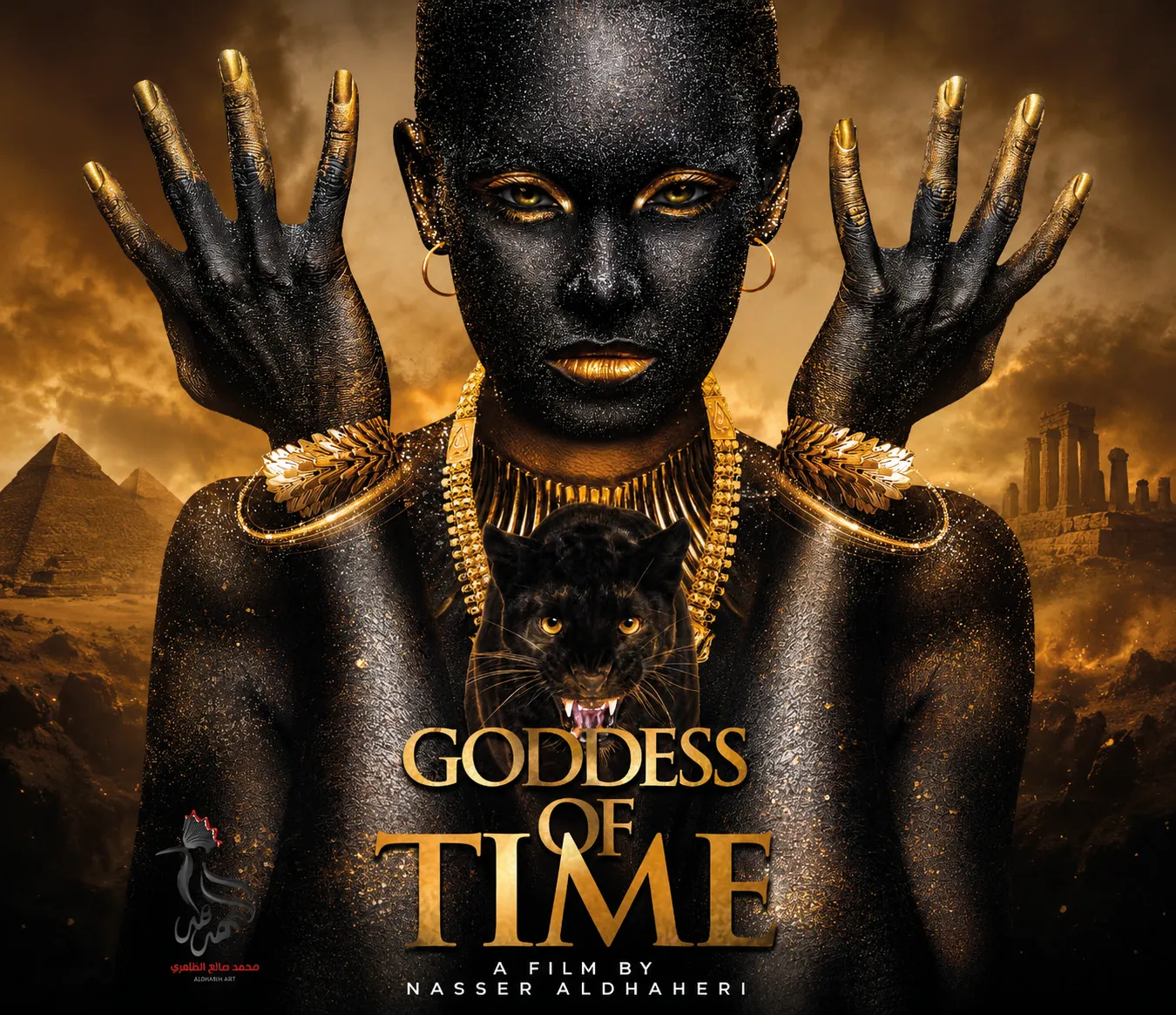
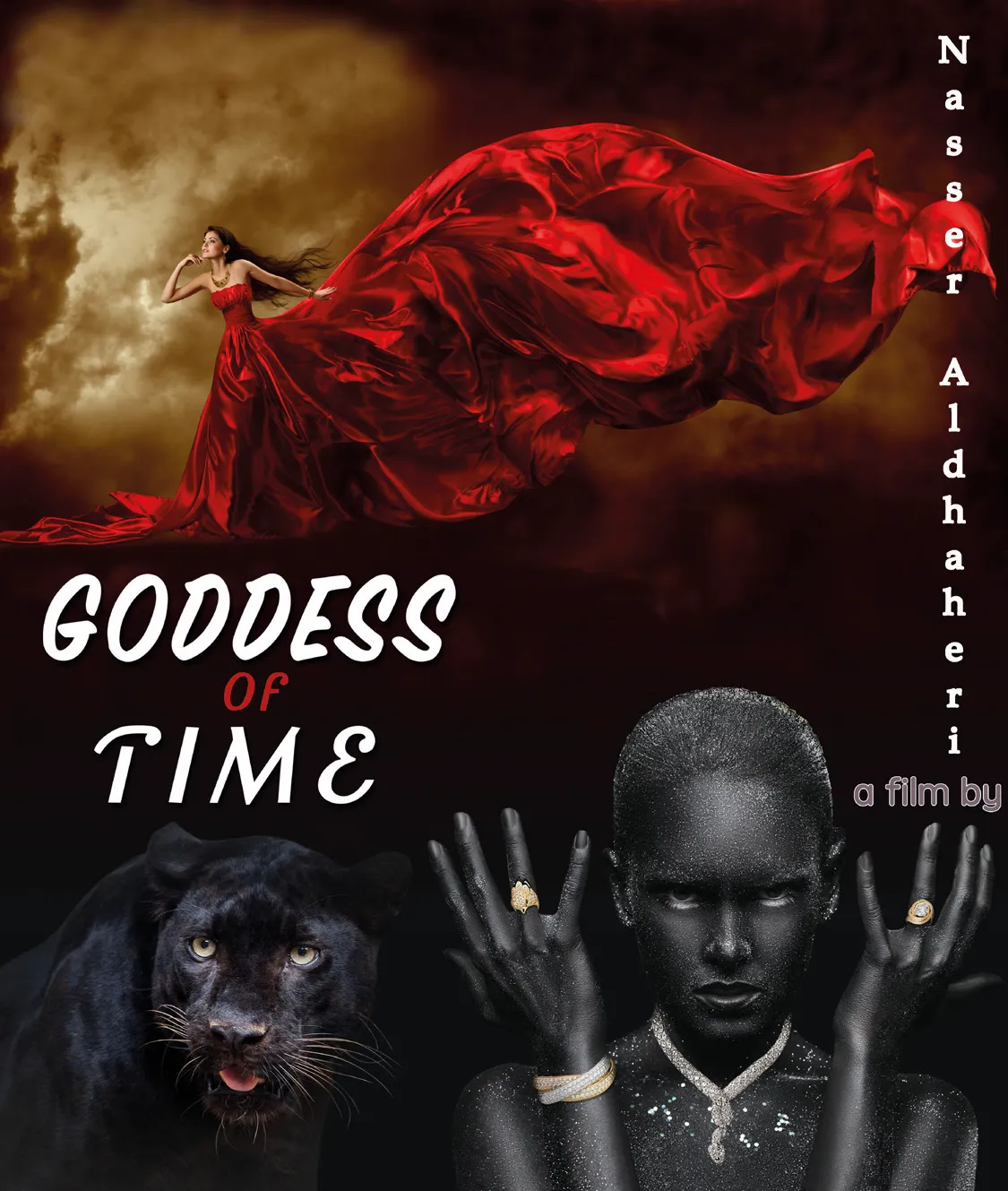
An experimental feature film that explores the philosophy of time and its intricate relationship with humanity from the dawn of creation to the present day, as well as potential developments in the future. It traces the passage of time through human expressions, objects, and places, delving into the cosmic questions that time poses to mankind, which has tirelessly sought the elixir of immortality throughout its civilizational journey.

Production Stills
Goddess of Time
Ibn Battuta, Prince of the Travelers
#24

Ibn Battuta, Prince of the Travelers

أمير الرحالة ابن بطوطة: سبعة قرون من الدهشة

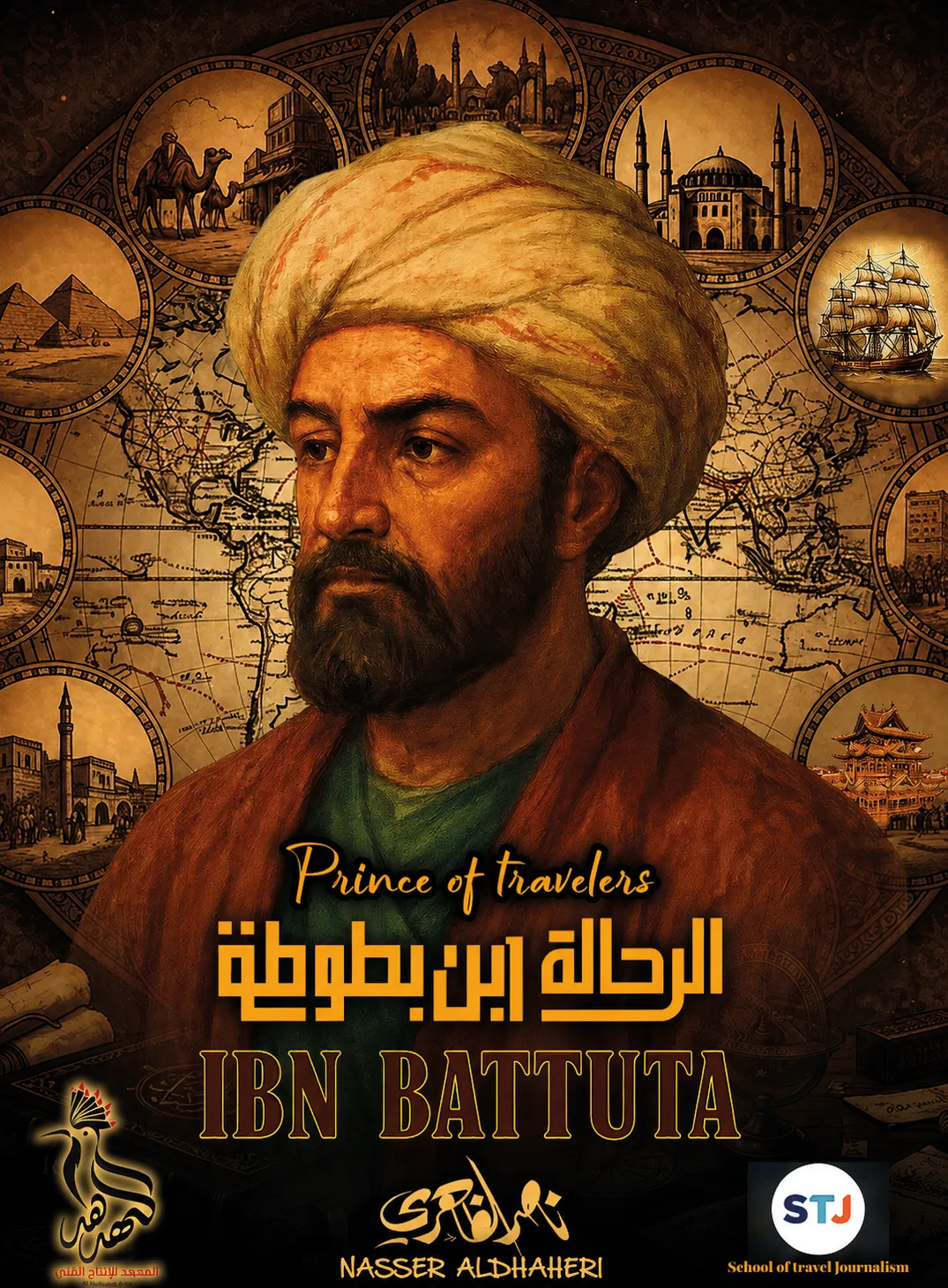
This documentary film traces the footsteps of Ibn Battuta in his hometown of Tangier, culminating at his tomb, through a reflection on his journey and legacy, as well as an exploration of his impact across the world. The film serves as an homage to this remarkable figure, commemorating the 700th anniversary of his first step into the world of travel. His full name is “Abu Abdullah Muhammad ibn Abdullah ibn Muhammad al-Lawati al-Tangi,” and he is known by the name Ibn Battuta, a title given to him by his mother. Born in Tangier, he passed away in Fez (1304-1369). He embarked on an extensive journey across the Islamic world, Europe, and Asia, traveling three times the distance covered by the Italian merchant and explorer, Marco Polo Some estimate the distances traversed by Ibn Battuta to be approximately 220,000 kilometers. Ibn Battuta, a Sufi, led a life of asceticism, wholly devoted to the pursuit of knowledge and a passion for exploration, traversing diverse landscapes. He lived life on his own terms, following the path of his fervor towards cities, humanity, and the thrill of knowledge. Ibn Battuta remains a symbol of freedom and exploration, embodying a love for travel and a quest to understand the world’s peoples. His tales have inspired countless generations across the globe, showcasing that learning from and engaging with different cultures enriches human understanding, providing life with a deeper horizon and a more delightful flavor. As Ibn Battuta wisely stated, “The greatest benefit of travel is not in seeing new lands, but in seeing people with new eyes.”

Black Spot Light
#25
Feature Documentary

Black Spot Light

بقعة ضوء سوداء: إشراقة إرادة

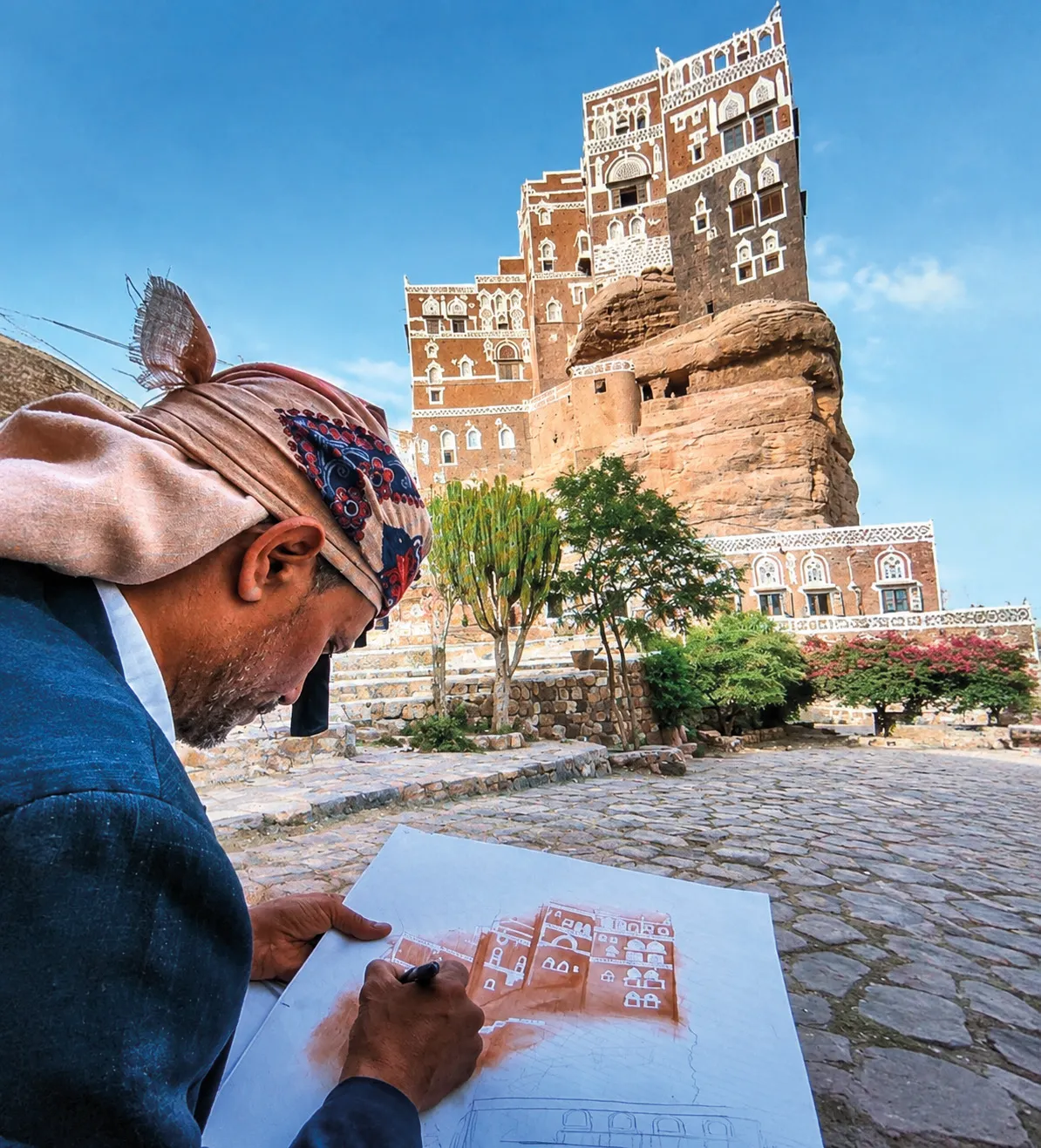
A long documentary film about an inherently Yemeni artist who cannot speak or hear and has only one functional eye. Through his poignant human story, he has managed to perceive life from a unique perspective, infusing his world with beautiful colors. This is a tale of struggle and resilience in the face of life’s harshness, illustrating how willpower can reconstruct the human spirit and bring forth a different joy in life. The film follows this artist’s shadow through the streets of Sana’a, Dhamar, and various cities in Yemen, highlighting history and the tenacity of humanity triumphing over adversity.

Production Stills
Black Spot Light
Murmurs of the Ashen Bird
#26
Narrative Short Film 30 minutes

Murmurs of the Ashen Bird

همهمات طائر الرماد

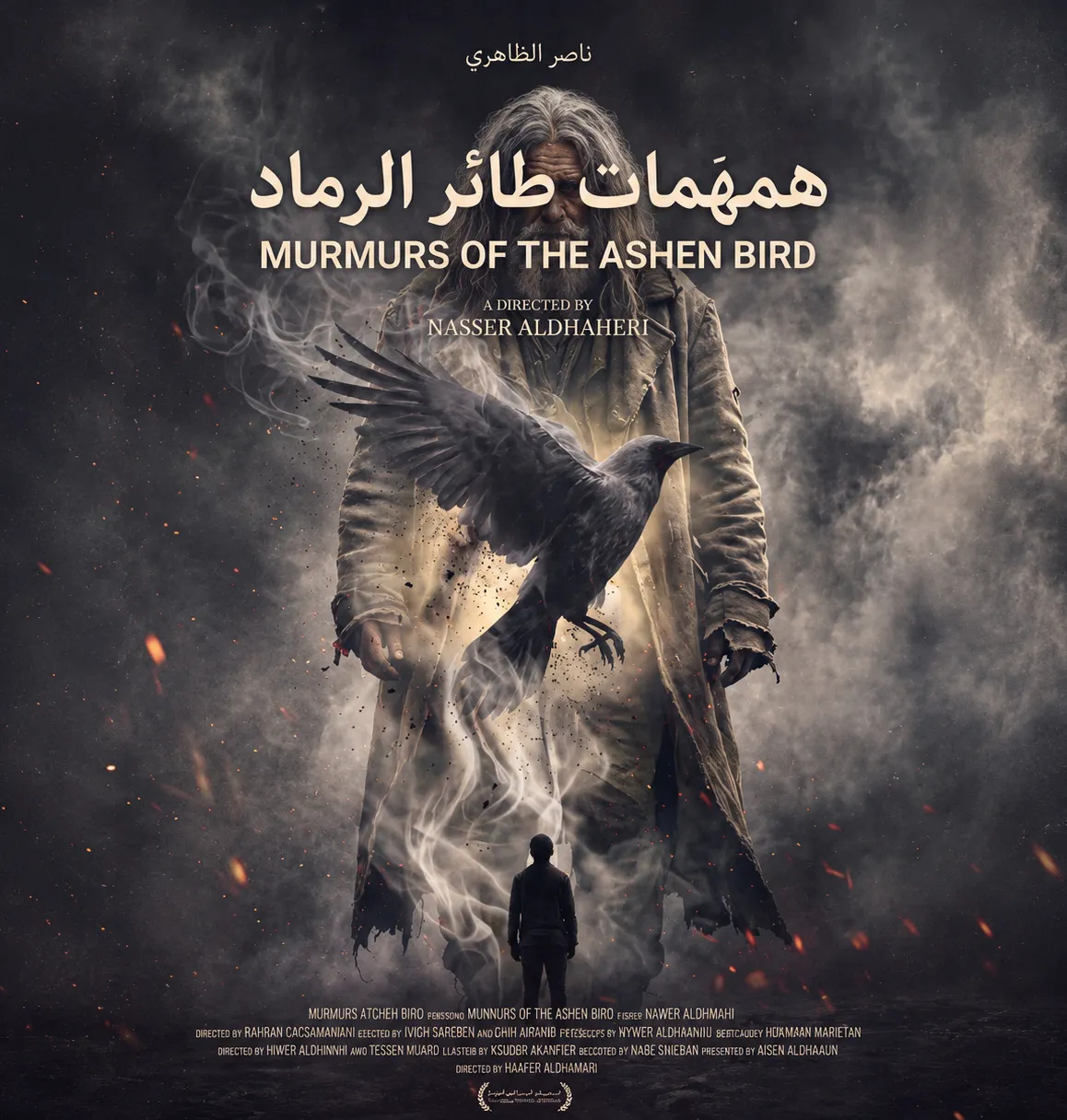
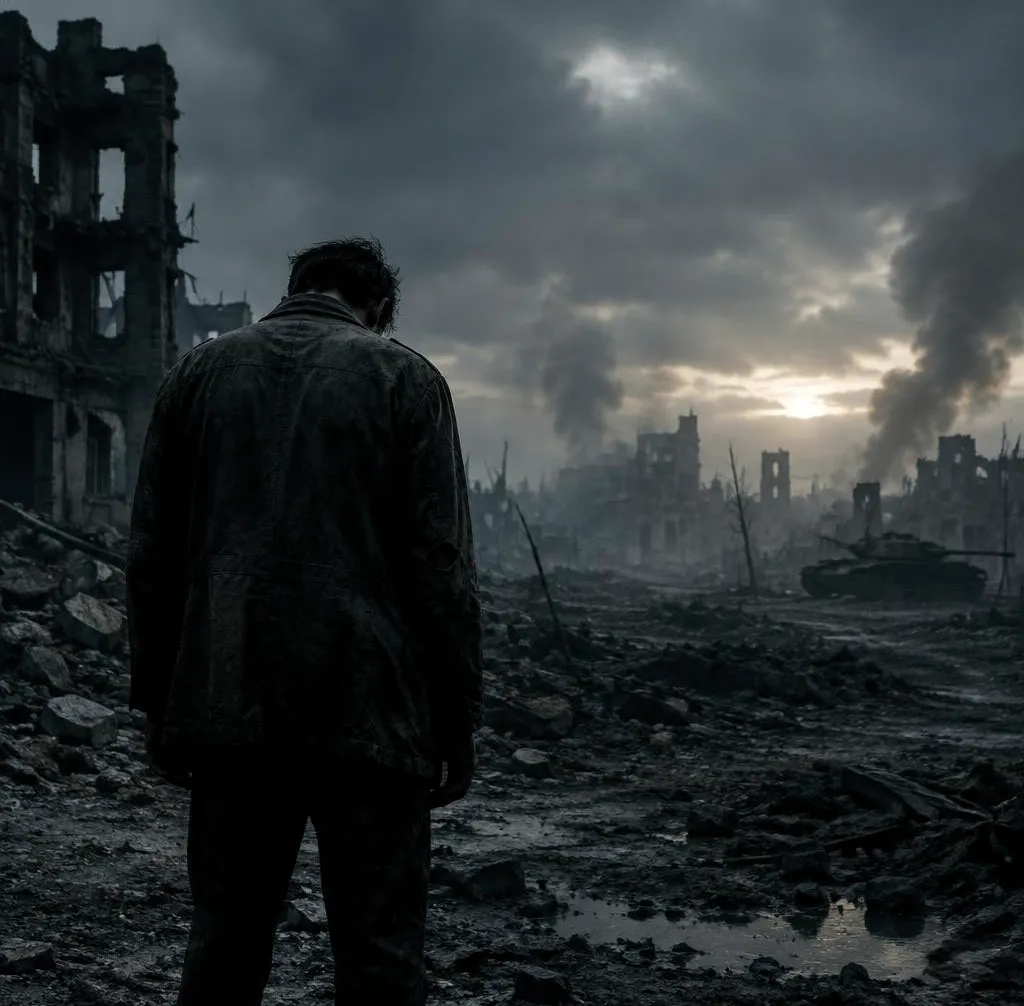
A 30-minute narrative short film. The film explores the profound alienation of the soul within the crushing weight of contemporary materialism. It depicts how the city, with its relentless capitalist stride, traps a human spirit as fragile and fleeting as a bird’s wing. It is the story of a soul’s odyssey—an attempt to reclaim the shadows it has shed across the urban landscape. Will he succeed in rising from the ashes of his own lethargy, or will the city, in all its cold cruelty, consume both him and his lingering ghosts?

Production Stills
Murmurs of the Ashen Bird
The Blind Scream
#27
Short Film

The Blind Scream

الصرخة العمياء: ترانيم الوجود

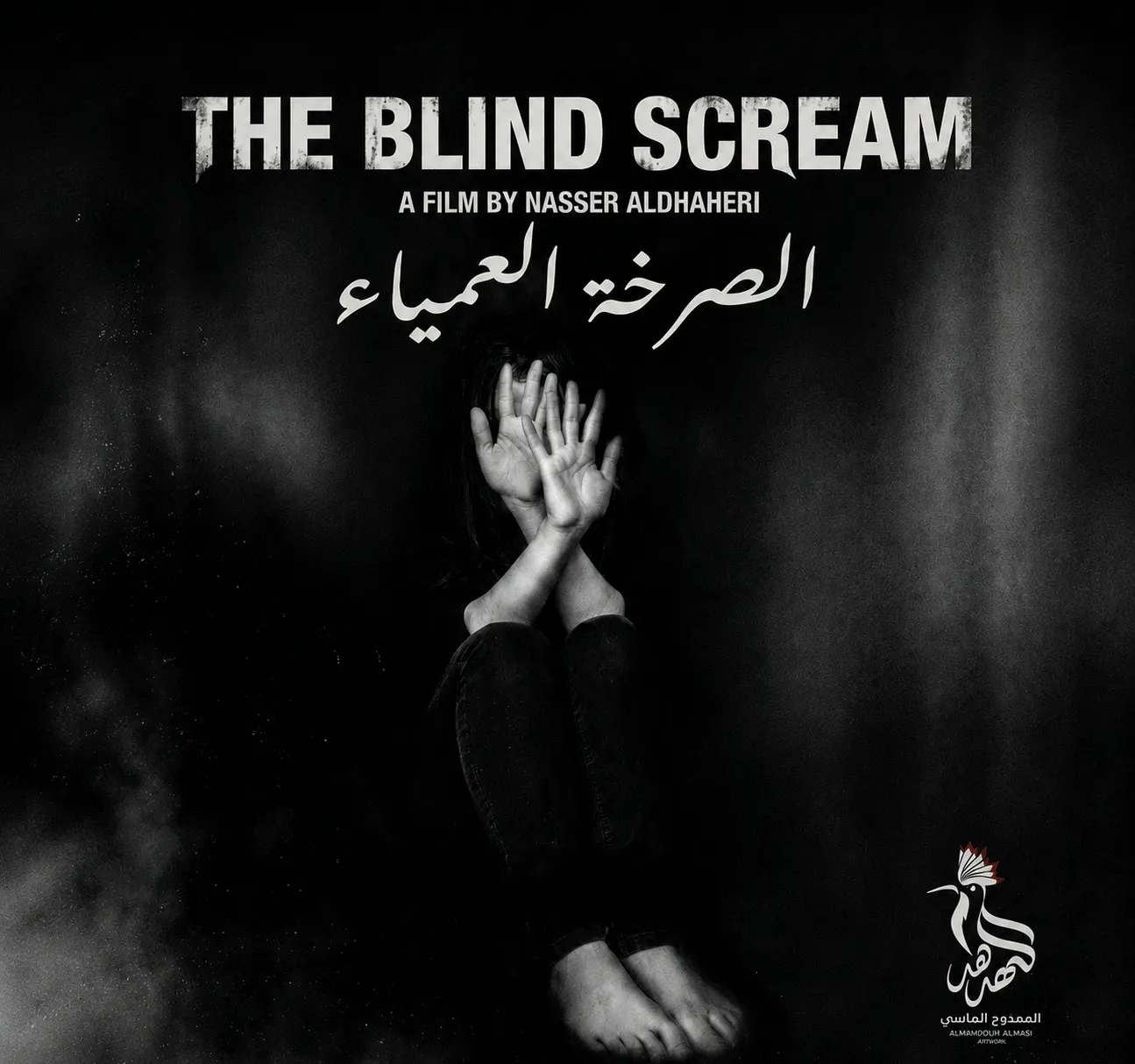
The scream and humanity: Did the scream emerge in the primordial darkness when man was a fetus, unseen by life? Or was the scream born with humanity at the moment of birth, when one first glimpsed existence? After that, the individual began to recognize various forms of screams: the expressive scream, the vocal scream, the protest scream, as well as the screams of joy, sorrow, anxiety, and fear. Why does the scream of fear resonate loudly, while joy suffices with a mere smile? A short film that traces the scream from the moment it first saw the light of life and birth, to that blind cry piercing towards questions and the azure horizon.

Production Stills
The Blind Scream
Water's Allure
#28
Short Film

Water's Allure

فتنة الماء: ترنيمة الجسد والطين

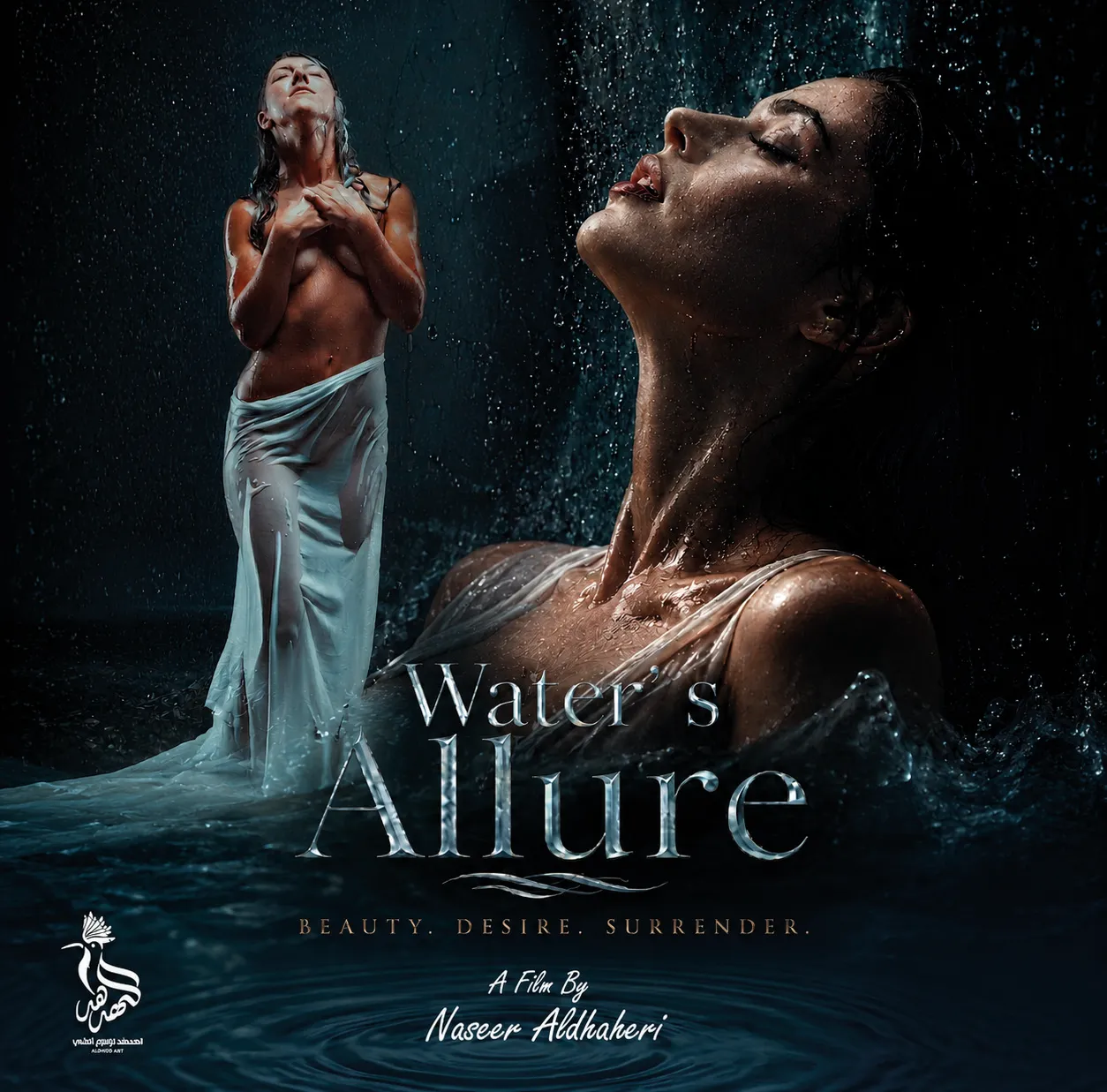
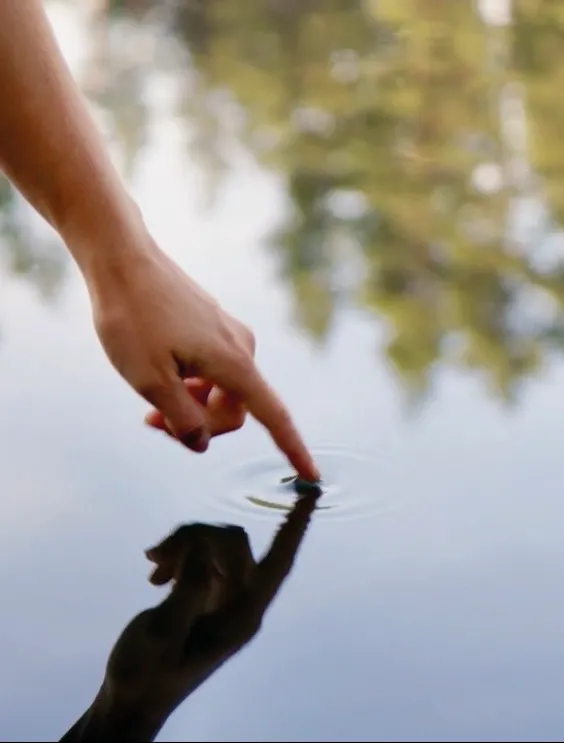
What is that eternal human dichotomy between the body and water? Who yearns for whom—water to feel that worship, or the body to experience that liberation? Is it a spiritual connection, a natural bond, or perhaps a different kind of relationship that intertwines physical pleasure with the primal attempt to grasp the essence of water and clay since antiquity? That’s the Hymn of the Body and Water.

Production Stills
Water's Allure
The Ghassanids
#29
Film Project

The Ghassanids

الغساسنة: في ظلال التاريخ

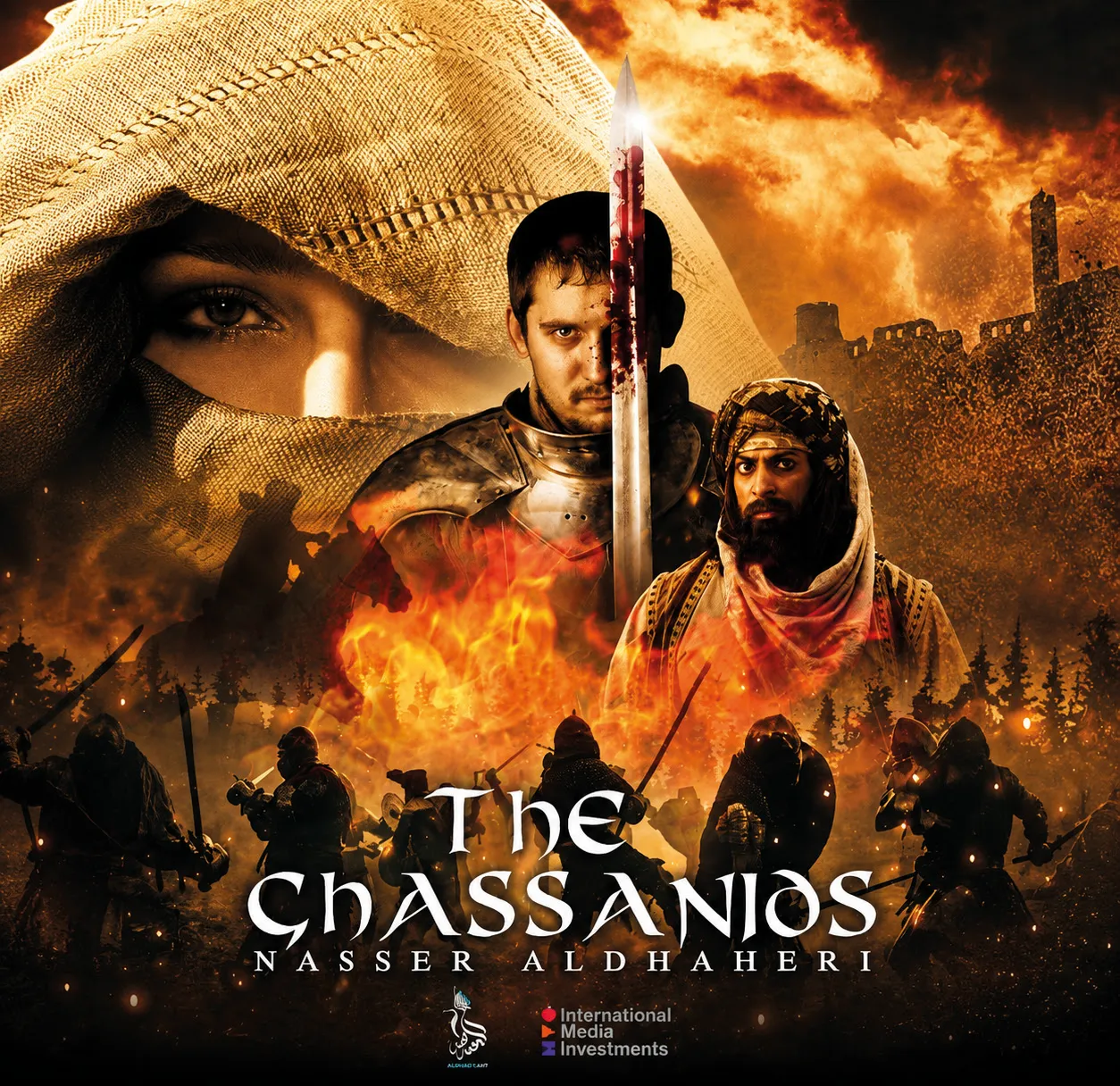
A preliminary artistic endeavor, designed to lay the foundation for a global creative work that addresses the history of the Ghassanids, starting with the incident of the flood of ‘Arem and the dispersal of the people of Sheba. It narrates their migration to Tihama and subsequently to the Levant, leading to the establishment of the second Arabian kingdom, which embraced Christianity in Bostra and allied with the Byzantines against the Lakhmids, their Christian cousins who were allied with Persia. This historical conflict spanned a considerable timeframe. The film also revisits the presence of the Ghassanids today, offering insights into their history, heritage, and the events that shaped their trajectory.

Production Stills
The Ghassanids
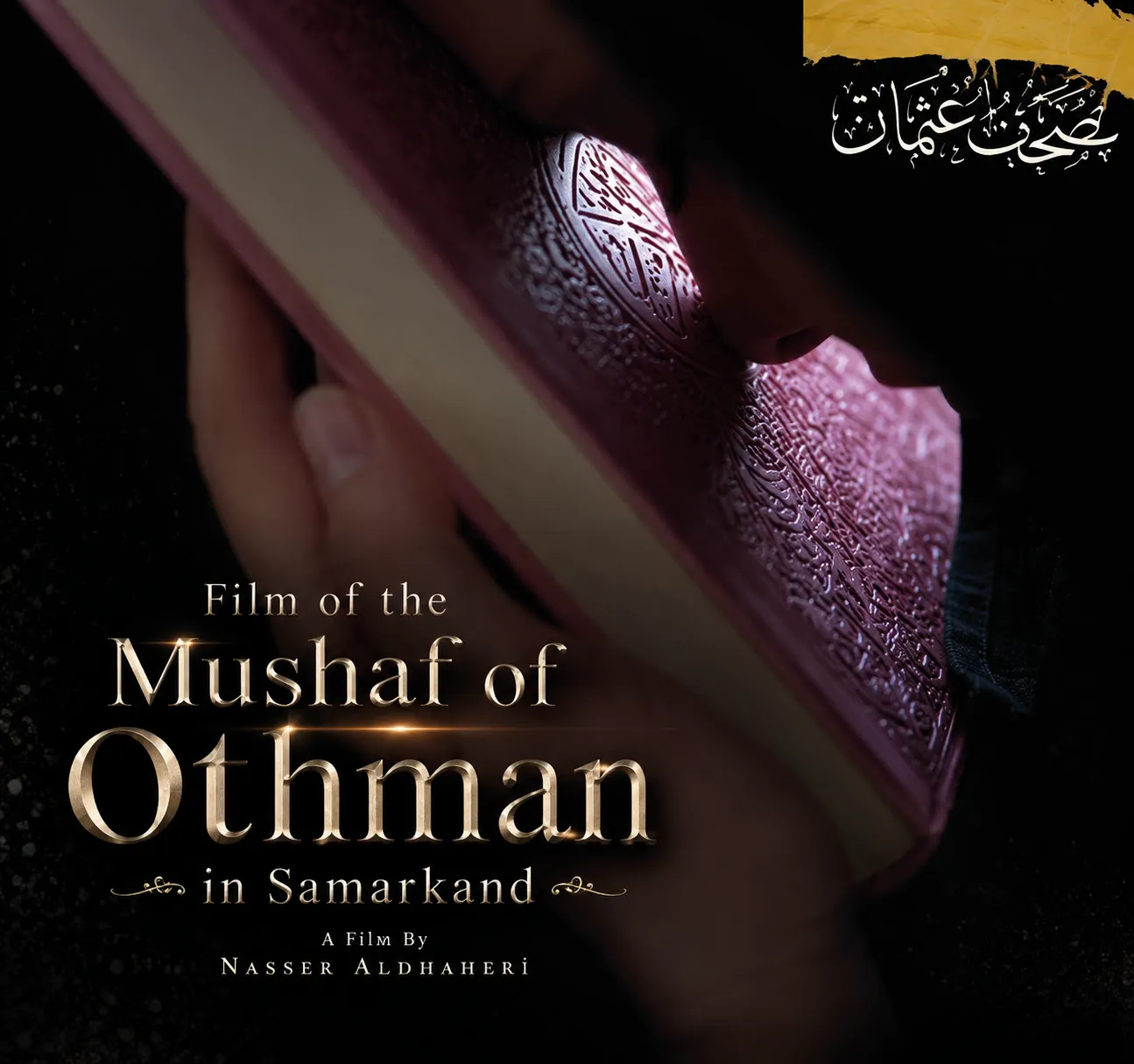
film-of-the-mushaf-of-othman-in-samarkand
#30

film-of-the-mushaf-of-othman-in-samarkand

مصحف عثمان في سمرقند: رحلة النور

Film of the Mushaf of Othman in Samarkand—their extensive historical journey, the events that unfolded around them throughout history and time, and how they came to be... It is a spiritual voyage retracing the narrative of this historic Quran, which dates back to the companion Othman bin Affan (may Allah be pleased with him).